Ramie's Cultural Journey: From Ancient Tradition to Sustainable Innovation
The Global Traditions of Ramie
Ramie in Asian Cultural Heritage
Ramie's Role
in Military Tools
Ramie's Historical Significance in Trade Economy

The Elegance of Ramie in Traditional Japanese Summer Kimonos
The Rich Legacy of Ramie in Traditional Chinese Culture


The Timeless Benefits of Ramie in Hanbok
Durability
Natural Sheen
Discover Ramie’s Culinary Heritage in Asia
Vietnamese Delights
Hakka Specialties


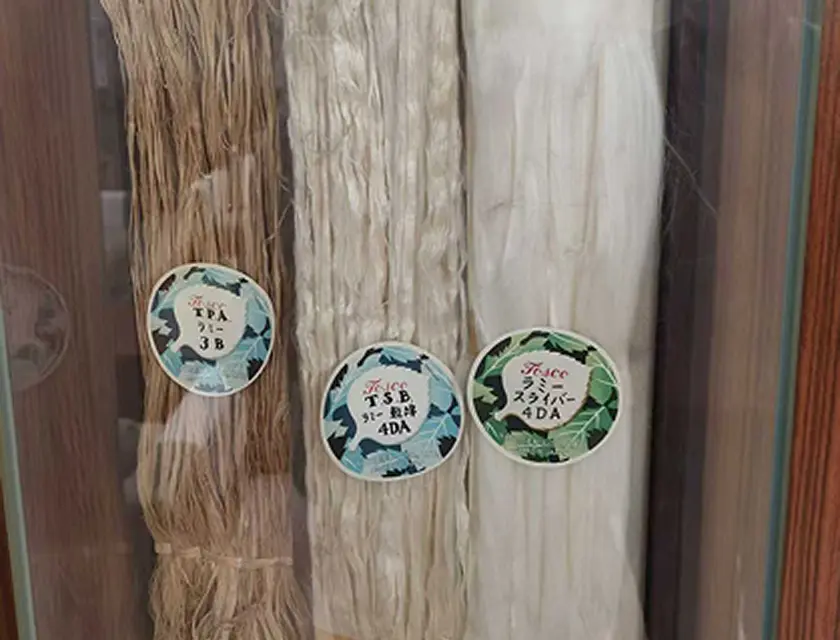
From Plant to Fabric
Extraction
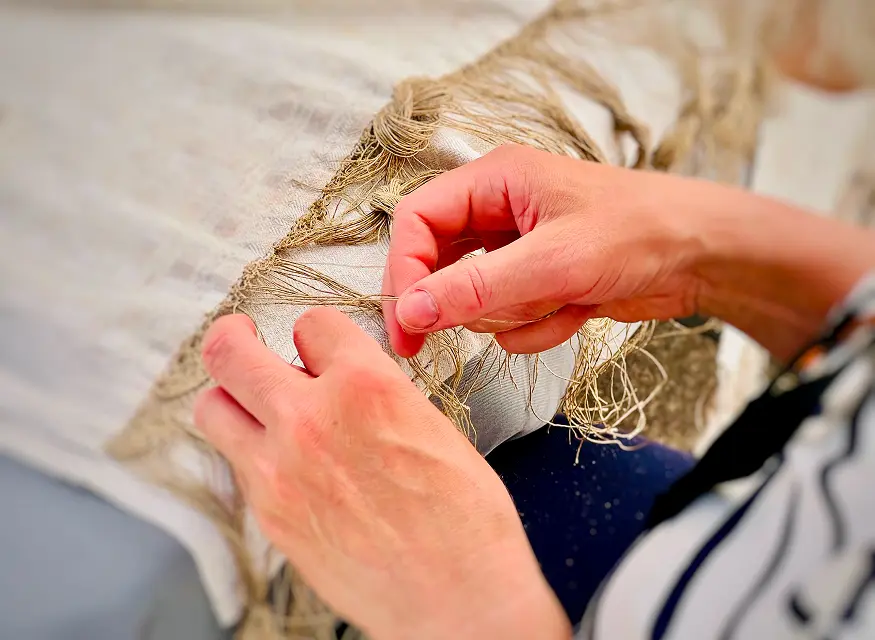
Weaving
The Innovation of Ramie Weaving in Japan

Ramie Gallery




FAQs
Ramie is a natural fiber derived from ramie plants. Its most famous feature is its high strength and exceptional durability. For thousands of years, different cultures have used it to make things. Now, these advantages make it an excellent material for making clothing and household items.
Step 1: Washing. Pour a small amount of mild detergent into cold water, and then hand wash the ramie fabric gently.
Step 2: Rinsing. Rinse thoroughly with clean cold water.
Step 3: Dry. Find a place away from direct sunlight to dry it to protect its fibers and texture.
(Note: Avoid using strong chemicals such as bleach throughout the process.)
You’re right. Ramie is indeed an environmentally friendly fiber. From the perspective of the planting process, it uses less water and less pesticides than cotton, meeting the requirements of sustainable development. Further, since ramie is highly wear-resistant, things made from it are also more durable, which can help us reduce waste.
Yes, ramie has a wide range of uses and is very protean. It can be used to make clothing, household fabrics and furniture finishes. Because it is strong and durable and has anti-mold properties, it is also often used in industry. You may not know that in some cultures, its leaves can also be eaten as vegetables.
Yes, ramie is mainly produced in East Asia. As a country with a long history of cultivation, China is an important production area for it. Further, some areas in Southeast Asia and South America also grow ramie. This is because the warm and humid climate is very conducive to the growth of ramie.