Natural Dyes and Ramie: A Perfect Match for Sustainable Textiles
Jump to section
Ramie and natural dyes make a great team for eco-friendly textiles. Ramie, a plant-based fiber, absorbs plant dyes easily, creating vibrant, long-lasting colors without synthetic chemicals. Its smooth, strong fibers hold color well and resist bacteria, mildew, and shrinkage.
Ramie grows quickly with minimal pesticides and water, making it a sustainable choice. It also blends well with other fabrics like cotton and linen, adding strength, softness, and breathability.
Together, ramie and natural dyes offer a cleaner, greener way to produce textiles, helping to reduce waste, chemicals, and environmental impact. Perfect for both fashion and home goods, this combination supports sustainable, eco-conscious production.
Understanding Ramie: The Eco-Friendly Fiber
Ramie is often called China Grass or White Ramie. It’s part of the nettle family, but don’t let that scare you off—it’s not prickly. The plant’s long, smooth filaments give fabrics a natural luster and strength, even when wet.
Physical comparisons help put ramie in context. Compared to cotton, which is soft and fluffy, or linen, which is coarser, ramie stands out for its sheen and strength. It’s tough, but not stiff. And it’s got a cool, smooth feel that’s hard to replicate.
Ramie’s resistance to wrinkling and mildew means less maintenance. For anyone sick of ironing or dealing with musty smells, that’s a win. When blended with cotton or linen, ramie brings out the best in both—softness, breathability, and durability all in one fabric.
The Natural Dyeing Process
Natural dyeing skips the synthetics and uses pigments from plants, minerals, or insects. These dyes work best on natural fibers like ramie, cotton, silk, and wool. Ramie’s high cellulose content means it soaks up color evenly—if you prep it right.
First up, artisans scour the fabric to clean it. This step strips away any oils or waxes that could block dye from sticking. Next comes mordanting, which uses metal salts like alum or iron to help the dye bond to the fibers. Cellulose fibers need this step for a stable color.
The dye bath usually has warm water, the pigment, and a fixative like salt or vinegar. You can soak, stir, or even hand-paint the fabric, depending on the look you want. Longer soaks mean deeper color, while cooler water gives you softer hues.
After dyeing, rinse the fabric and dry it out of direct sunlight to keep the colors from fading. Ramie stands up well to heat and moisture, so it keeps its luster after many washes. A naturally dyed ramie fabric stays bright and feels smooth but firm.
Why Ramie and Natural Dyes Are a Perfect Match
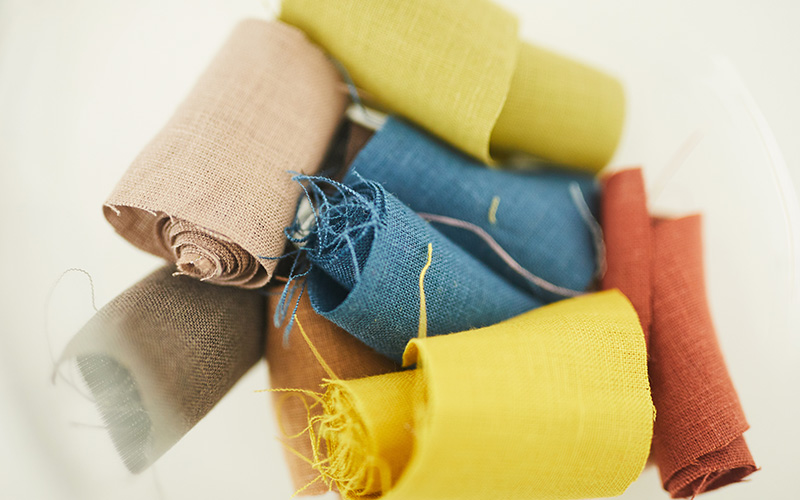
Ramie’s smooth, shiny surface lets natural dyes bond evenly. Each fiber strand is packed with fine cellulose filaments and hardly any lignin, so it absorbs color well. For dyers, that means strong, consistent shades without having to repeat the process over and over.
Ramie holds up under the washing and mordanting steps that natural dyeing requires. Cotton or wool can weaken if exposed to certain mordants for too long, but ramie’s chemical stability keeps it strong and smooth.
- High dye uptake: Its clean surface lets color molecules get in deep.
- Color fastness: The tight structure keeps the color after washing.
- Temperature tolerance: Handles hot dye baths, so colors set better.
These features make ramie a practical choice for plant-based and mineral dyes. Its durability during scouring and dyeing cuts down on waste and helps garments last longer. For artisans focused on sustainability, ramie and natural dyes just make sense—no need for synthetic additives.
Ramie and natural dyes are strong allies in sustainable fashion, offering numerous environmental and ethical benefits. Both materials support reduced chemical use, water savings, and waste reduction, while being biodegradable and ethically sourced.
Key Sustainability Benefits:
- ●Reduced Environmental Impact: ○Ramie grows with minimal pesticides and fertilizers, reducing soil and water contamination. ○Natural dyes avoid harmful petroleum-based chemicals and often use low-energy methods like solar heating.
- Biodegradability and Circularity: ○Ramie fibers decompose naturally, returning to the earth instead of contributing to plastic waste. ○Natural dyes also break down without releasing toxins, supporting a more sustainable lifecycle for textiles. ○Closed-loop systems in textile production help recycle water and recover dye, promoting a circular economy.
- Zero-Waste Production: ○Ramie production generates little waste, with leftover plant materials repurposed for compost, animal feed, or biofuel. ○Natural dye processes recycle by-products, like fruit skins and herb residue, into fertilizers, further reducing waste.
- Ethical Considerations: ○Ramie is often grown by smallholder farmers, supporting local economies and providing fair livelihoods. ○When produced under fair-trade standards, ramie helps foster sustainable agricultural practices.
Applications of Naturally Dyed Ramie
Naturally dyed ramie shines in uses that need strength, luster, and even color uptake. Its moisture control, mildew resistance, and easy care make it a favorite for textiles, blends, and even some technical uses.
- Textile and Apparel Uses
- Ramie Clothing and Blends
- Home and Industrial Uses
Textile and Apparel Uses
Clothing makers like ramie for garments that need both structure and breathability. Ramie fibers have a tensile strength of about 600 MPa—higher than cotton and right up there with flax. So, fabrics keep their shape, even after lots of washes. That means less sagging in shirts, dresses, and trousers.
Natural dyes stick well to ramie’s cellulose surface. With plant pigments like indigo or madder, you get stable colors that resist fading in sunlight. For wearers, that means clothes stay colorful without synthetic fixatives.
Compared to linen or cotton, ramie is smoother and shinier, no chemical finishing needed. Factories often blend 25–50% ramie with cotton to cut down on wrinkling and improve drape. That makes summer clothes cooler and easier to care for.
Ramie Clothing and Blends
Designers love ramie clothing because the fiber resists mildew and bacteria. That’s thanks to its low moisture regain—about 8–12%—which keeps fungal growth at bay in humid places. For everyday wear, that means less odor and easier laundry.
Ramie-cotton blends combine softness with stability. Ramie-silk combos bring out luster and a lightweight feel, while ramie-wool mixes soften up coarse yarns for cooler-weather pieces. By blending, producers can tweak elasticity, texture, and warmth.
Naturally dyed ramie threads spin cleanly with little pilling. Since the dye penetrates the fiber uniformly, woven or knitted fabrics show less color variation. That consistency is great for commercial production and helps consumers match shades across garments.
Home and Industrial Uses
Naturally dyed ramie isn’t just for clothing. It’s also found in home and industrial materials.
The fiber’s high breaking strength—sometimes five times that of cotton—makes it great for table linens, upholstery covers, and window textiles. Abrasion wears down weaker fibers, but ramie stands up to daily use.
People use ramie meshes in filter cloths, fishing nets, and packing materials. Its cellulose structure shrugs off damage from alkaline or salty environments, so it works well in marine or food-processing settings.
If you care about durability, ramie delivers a long service life and doesn’t need much chemical maintenance. That’s a relief for anyone who wants less hassle.
Ramie keeps its bright, natural, or plant-based colors, so interior textiles need fewer synthetic finishes. This means less chemical runoff when you wash them and supports manufacturers who want to keep things sustainable.
Frequently Asked Questions
What fabrics are best for natural dyes?
Plant-based fibers like cotton, linen, hemp, and ramie soak up natural dyes well. They contain cellulose, which bonds easily with most dye molecules.
Protein-based fabrics—think silk and wool—also take up natural dyes, but they need different mordants because of their amino acid content.
The fiber you choose affects how deep and even the color turns out. Cellulose fibers such as ramie often give consistent shades when dyed with plant pigments like madder or turmeric.
Protein fibers might show more tonal variation, which can create interesting visual texture in the fabric. Sometimes that’s exactly what you want.
Is ramie dyeable?
Absolutely, ramie dyes easily. Its cellulose structure lets dye molecules anchor without much trouble.
The fiber’s smooth and lustrous surface also helps colors look brighter and more even. If you’re looking for crisp, clear shades, ramie is a solid choice.
Natural pigments—like indigo, walnut husks, and cochineal—stick well to ramie, especially when you use the right mordant, like alum or iron. Makers get strong colorfastness and clarity after dyeing, as long as they treat the fabric properly before and after the process.
What are the ecological advantages of using natural dyes with ramie fibers?
Ramie grows with barely any need for pesticides or fertilizers. Natural dyes come from plants, minerals, or even insects, not from petroleum-based chemicals.
Since both ramie and natural dyes are renewable, combining them helps cut down the environmental impact of textile dyeing. That’s a big deal for anyone thinking about sustainability.
Natural dyes don’t create much wastewater with synthetic leftovers. Ramie, on its own, breaks down without releasing microplastics.
Put these together, and you get a dyeing process that’s less toxic and uses less energy. Producers can worry less about chemical waste and feel better about their ecological footprint.

Chisato Ogino
Chisato Ogino, from Kaga City, Ishikawa Prefecture, is a graduate of Kanazawa Gakuin College and the College of Fashion Designers. With extensive experience in apparel design and premium textile development, she has served as Chief Designer at Sanyo Corporation (VINVERT) and collaborated with leading brands such as MUJI, World, and CHISATO PLANNING.
Chisato specializes in innovative material research and exhibition planning for major companies and has also worked as a consultant and lecturer for industry organizations.
Want to Know More About Our Products?
View All Products Now