Bio-Based Products from Ramie Processing: From Fiber to Application
{acf_blog-txt}
Bio-Based Products from Ramie Processing: From Fiber to Application
As the demand for sustainable materials grows, ramie is emerging as a key player in eco-friendly manufacturing. This natural fiber, derived from the Boehmeria nivea plant, is prized for its strength, durability, and minimal environmental impact. Traditionally used in textiles, ramie is now being utilized in a range of bio-based products, including composites and bioplastics, offering a greener alternative to synthetic materials.
In this article, we’ll explore ramie’s origins, the innovative processing methods that turn it into valuable products, and its numerous applications across industries. From fashion and home textiles to industrial materials, ramie is proving itself as a versatile, renewable resource that helps reduce waste and promote sustainability.
Understanding Ramie and Its Botanical Origin
Ramie, derived from the Boehmeria nivea plant, is a highly sustainable and renewable bast fiber known for its strength, durability, and luster.
Grown mainly in warm, humid climates, ramie fibers are rich in cellulose, making them exceptionally strong, moisture-absorbent, and resistant to heat and microbial decay. Unlike other natural fibers like cotton, flax, and jute, ramie offers superior tensile strength and a silk-like sheen, while being highly absorbent, which makes it ideal for breathable textiles.
Its ability to regrow rapidly after each harvest and its minimal impact on soil health make it a valuable resource for sustainable material development and crop rotation systems. Ramie’s unique combination of physical properties ensures its continued relevance in a wide range of applications, from textiles to bio-based products.
Processing Stages for Bio-Based Ramie Products
Producing bio-based materials from ramie involves separating, cleaning, and converting plant fibers into usable forms. Here are the details.
- Decortication Methods
- Degumming: Chemical and Enzyme Techniques
- Spinning and Weaving
- Advances in Ramie Processing Technology
1. Decortication Methods
Decortication removes the fibrous bark (bast) from the woody core of the ramie stalk. Small-scale operations often use manual peeling, which is slow (about 10 kg of bast per day per worker). Mechanical decorticators, using rollers, blades, or drums, speed up the process and maintain fiber quality. Planetary decorticators, like one developed by Slimani et al. (2018), use rotating agitators to reduce fiber breakage, improving yield without sacrificing quality. Modern systems use automated conveyors and adjustable rollers to reduce labor and ensure consistent fiber width for better spinning.
| Method | Throughput (kg/h) | Fiber Damage | Labor Need | Typical Use |
| Manual | < 20 | Low | High | Small farms |
| Roller-based | 80–120 | Moderate | Medium | Regional mills |
| Planetary | 150–200 | Low | Low | Industrial plants |
2. Degumming: Chemical and Enzyme Techniques
Degumming removes non-cellulosic materials (like pectin and lignin) that bind the fibers. Traditional chemical degumming uses alkaline solutions, which are water-intensive and cause high pollution. Newer methods like oxidative and solvent-based degumming reduce chemicals and improve efficiency, but enzyme-based degumming has become more popular. Enzymes like pectinase and hemicellulase selectively break down gums without damaging the cellulose, preserving fiber strength. This method cuts chemical use by 50% and reduces energy demand by over 20%, though it takes longer to complete. Researchers are working on speeding up the process with temperature and agitation control.
3. Spinning and Weaving
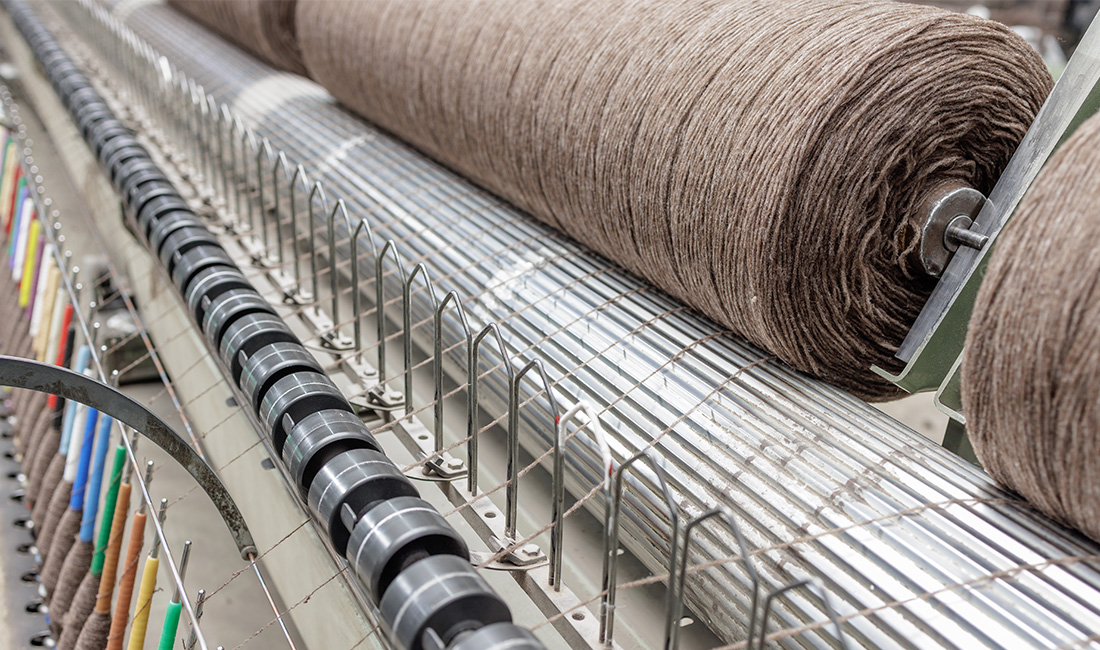
After degumming, ramie fibers are carded and combed to align them and remove short fibers (called “noils”). These noils, which can make up to 40% of the fiber mass, are too short for fine yarns but can be used in nonwoven fabrics or composites. Spinning methods like stretch-breaking and compact-spinning improve yarn quality by making fibers more uniform and reducing hairiness. Weaving follows standard textile techniques to create breathable fabrics with good stability. Ramie fibers also resist microbial growth, so they require fewer chemicals during finishing, making the process more eco-friendly.
4. Advances in Ramie Processing Technology
Research has focused on improving efficiency and sustainability. Automation in decortication reduces manual labor and ensures consistent fiber thickness. In degumming, mixed-enzyme systems speed up the process and allow water reuse, cutting waste. Spinning innovations, like compact and Siro spinning, reduce yarn irregularity and improve strength at lower twist levels. These advances help make ramie more efficient and environmentally friendly while maintaining its performance in bio-based products.
Material Properties and Performance
Ramie-based materials show a steady balance between strength, stiffness, and chemical stability compared with other natural fibers. The properties and performance are as follows.
- Mechanical Properties and High Tensile Strength
- Fiber Length and Uniformity
- Durability and Longevity
1. Mechanical Properties and High Tensile Strength
Ramie fibers display high tensile strength (typically 400–938 MPa) due to their high cellulose crystallinity and microfibril alignment within the fiber wall. Because of this alignment, the fibers resist stretching under tension and efficiently transfer loads in composite materials. In practice, this translates to stronger reinforcement when ramie is embedded in resins such as epoxy or polyurethane systems.
Tests show that ramie-reinforced epoxy composites achieve up to a 29 % increase in flexural strength compared with neat epoxy matrices. This improvement occurs because the hydroxyl groups on ramie’s surface enhance interfacial bonding when properly treated or coated. For users, this means that structures made with ramie composites—like panels, casings, or molded components—maintain rigidity with lower weight than glass-fiber alternatives.
2. Fiber Length and Uniformity
Ramie fibers range in length from 60 mm to 250 mm, with diameters of 18–30 µm. Their uniform structure and smooth surface improve fiber packing and stress distribution within composites. Longer fibers provide better tensile load transfer, while shorter, uniform fibers allow easier mixing and predictable mechanical output.
In processing, controlling fiber uniformity reduces weak zones during weaving or composite lamination. When fibers are evenly separated and combed, the matrix binds more consistently, preventing stress concentration points. For manufacturing, this means lower rejection rates and more stable product performance.
A simplified comparison demonstrates the importance of length:
| Fiber Type | Avg. Length (mm) | Common Use | Key Effect on Strength |
| Ramie | 150–250 | Composites, Textiles | High load transfer |
| Jute | 100–150 | Bags, Ropes | Moderate strength |
| Flax | 250–300 | Linen, Composites | Balanced stiffness |
3. Durability and Longevity
Ramie fibers are durable because of their high cellulose content (over 70 %) and low elastic recovery, which limits creep under constant stress. The fiber’s lignin and pectin layers provide resistance to microbial decay, and alkali or silane surface treatments further enhance water and thermal stability.
When integrated into bio-based epoxy resins, ramie retains strength after repeated thermal cycling and humidity exposure. For end users, this means ramie composites can withstand repeated mechanical loads without rapid degradation or delamination. In humid climates or high-temperature settings such as automotive interiors, the natural resistance to dimensional change helps preserve part alignment and structural reliability over time.
Environmental Impact
Ramie production impacts the environment at various stages, from cultivation to fiber processing. The details are as follows:
1. Biodegradability and Eco-Friendly Characteristics
Ramie fibers are biodegradable because they are mainly composed of cellulose, with low lignin content, allowing them to break down naturally without harming the environment. When disposed of in soil or compost, ramie decomposes into organic matter and carbon dioxide within months. Ramie also grows with fewer chemicals, requiring little pesticide and improving soil health. This makes ramie textiles eco-friendly, meeting eco-label standards and reducing waste in landfills and oceans.
2. Waste and Emissions in Processing
The main environmental impact of ramie comes from the degumming process, which removes natural gums using strong alkalis and large amounts of water. Traditional methods create a lot of wastewater, making treatment costly and energy-intensive. New biological degumming methods, using enzymes, reduce water use and chemical waste by over 50%. Additionally, ramie by-products like stalks and leaves can be repurposed into valuable materials, reducing waste and improving sustainability.
3. Sustainability Certifications
Ramie products can meet international sustainability certifications to prove their eco-friendly performance:
- Oeko-Tex® Standard 100: Ensures textiles are free from harmful chemicals.
- EU REACH Compliance: Limits hazardous chemicals in the European Union.
- ISO 14001: Guides environmental management and efficiency.
These certifications help producers demonstrate responsible practices and access markets that require sustainable materials.
Applications of Bio-Based Ramie Products
Ramie provides renewable plant-based fibers that combine strength, luster, and stability. Its processed forms—including yarns, fabrics, and blended textiles—are used to replace synthetic materials in clothing, interiors, and specialized technical products.
1. Textile Fiber and Ramie Fabrics
Ramie is a strong, durable fiber from the stem of the Boehmeria nivea plant. Its high cellulose content gives it tensile strength (500-900 MPa), making it more resistant to stretching and better at maintaining shape after washing. Ramie fabrics have a natural sheen and excellent wet strength, unlike cotton, which weakens when wet. Manufacturers remove pectin and wax during processing, making the fibers finer and improving dye absorption for vibrant, uniform colors with less waste.
2. Home Textiles and Technical Textiles
Ramie’s moisture-absorbing and mold-resistant qualities make it ideal for home textiles like curtains, upholstery, and bedding. It absorbs 8-12% of its weight in moisture without feeling damp, which helps fabrics stay comfortable in warm or humid conditions. Ramie’s high crystallinity and resistance to alkalis make it durable, so it performs well in items like table linens and wall coverings. In technical textiles, ramie is used as reinforcement in bio-based composites, such as flame-retardant thermoset composites for vehicle and construction parts, offering a lighter, renewable alternative to synthetic materials.
3. Performance Fabrics and Blended Textiles
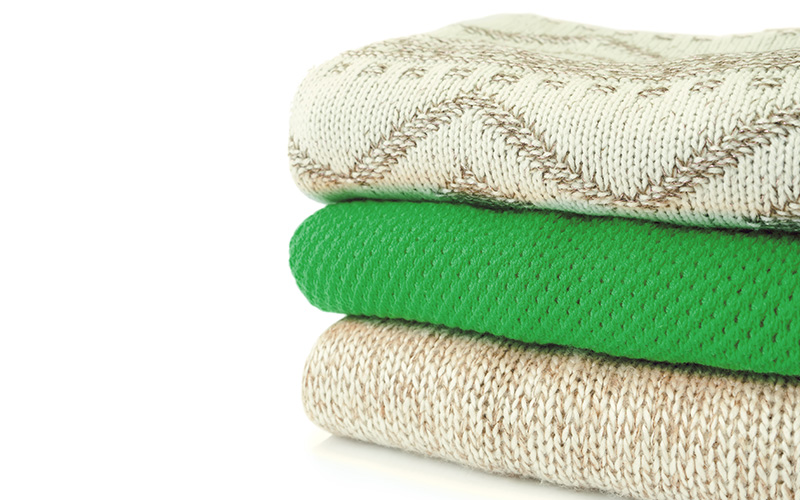
Ramie is often blended with cotton, polyester, or silk to combine strength with comfort. A ramie-cotton blend, for example, pairs ramie’s strength with cotton’s softness, creating breathable fabrics for shirts and summer wear. Ramie blends reduce wrinkling and shrinkage, so clothes stay in shape and need less ironing. Ramie-polyester blends offer improved abrasion resistance, making them suitable for outdoor gear, luggage, and sports goods. These fabrics last longer and feel natural while being more sustainable than pure synthetics.
Future Prospects of Bio-Based Ramie Products
The growing global demand for plant-based fibers is driving ramie’s role in sustainable manufacturing, particularly in textiles, bioplastics, and bio-composites.
The ramie supply chain, connecting smallholder farms to bio-based product manufacturers, faces challenges such as high moisture content and labor-intensive production methods, but traceability platforms are improving transparency for certifications.
Market potential is strong, with the bio-based chemicals sector expected to exceed USD 160 billion by 2025, though production costs and competition from cheaper fibers remain obstacles.
However, technological advancements like enzyme-assisted degumming and the development of ramie-reinforced composites offer promising solutions, enhancing ramie’s performance and expanding its applications.
With continued innovation, ramie is poised to become a key player in the circular bioeconomy, providing sustainable alternatives across industries.
Frequently Asked Questions
What are bio-based fabrics?
Bio-based fabrics use renewable biological materials such as plant fibers, proteins, or biopolymers rather than fossil fuels. Ramie fibers fall into this category because they come directly from a plant stalk that contains about 65–75% cellulose. That high cellulose content makes the fiber naturally rigid and moisture-absorbent.
Because their composition is plant-based, these fabrics can partially biodegrade under proper conditions. In practice, this means they reduce reliance on synthetic polymers and limit long-term waste accumulation in landfills.
How are ramie fibers used in sustainable fashion?
Ramie fibers are used in clothing, home linens, and industrial threads. Their structure—long, smooth, and highly crystalline—gives them strength and resistance to shrinkage after washing. Because the fibers wick moisture efficiently, garments made from ramie feel dry and comfortable in warm climates.
When blended with cotton or other natural fibers, ramie improves wrinkle resistance and durability without adding plastics. For designers, this means they can create textiles that retain shape and color while maintaining a natural composition.
Can ramie be used for non-textile bio-based products?
Yes. Processing ramie produces residues such as leaves, roots, stalks, and noil fibers. These materials contain cellulose, hemicellulose, lignin, and proteins that can serve as feedstock for bioplastics, paper pulp, or animal feed. For example, decorticated stalks contain around 35–44% cellulose and 18–30% lignin, making them suitable for bio-composites and energy materials.
In practical use, this means ramie waste can replace part of the raw input for packaging films or molded plant-fiber plastics. By converting these residues, producers can lower disposal costs while generating new revenue from materials that would otherwise go unused.

Chisato Ogino
Chisato Ogino, from Kaga City, Ishikawa Prefecture, is a graduate of Kanazawa Gakuin College and the College of Fashion Designers. With extensive experience in apparel design and premium textile development, she has served as Chief Designer at Sanyo Corporation (VINVERT) and collaborated with leading brands such as MUJI, World, and CHISATO PLANNING.
Chisato specializes in innovative material research and exhibition planning for major companies and has also worked as a consultant and lecturer for industry organizations.
Want to Know More About Our Products?
View All Products Now