Biodegradable Fashion: Ramie’s Essential Role in Sustainable Textiles

{acf_blog-txt}
Biodegradable Fashion: Ramie’s Essential Role in Sustainable Textiles
Biodegradable Fashion: Ramie’s Essential Role in Sustainable Textiles
The global view on clothing is rapidly evolving, driven by the need for more sustainable choices. Biodegradable fashion is at the heart of this change, and the natural fiber Ramie stands out as a crucial material. Valued for its strength, breathability, and natural ability to decompose without environmental harm, ramie offers a robust and fully sustainable alternative to synthetic fabrics. Its use marks a significant step toward responsible fashion.
Ramie comes from the stalks of the perennial Boehmeria nivea plant, often called China grass. This fiber has been used in textiles for thousands of years, primarily in Asia. Its cultivation is eco-friendly, requiring little water or pesticides. The resulting fabric is smooth and linen-like, appealing to designers and consumers who prioritize both comfort and the planet. By combining traditional cultivation with modern, green processing methods, ramie embodies a perfect blend of ancient wisdom and contemporary innovation for a greener textile future.
Ramie: Origin, History, and Cultivation
Ramie has an ancient history, with evidence of its use in China dating back over 6,000 years for clothing and fine textiles. Recognized for its strength and refined texture, it was historically favored by the upper classes. Its cultivation eventually spread across East and Southeast Asia, becoming integral to regional textile traditions.
Ramie thrives in warm, humid climates, with key producers including Southern China, India, Indonesia, and Brazil. Its perennial nature makes it highly sustainable: it can be harvested multiple times a year from the same plant without needing replanting, which also benefits soil health. While not as globally widespread as cotton or linen, ramie’s sustainable production and potential in eco-friendly fashion are driving renewed interest.
The plant grows as a tall shrub, yielding long, strong fibers from its inner bark. These fibers are naturally white, making them easy to dye and reducing the need for harsh bleaching chemicals. Ramie is propagated using stem cuttings to ensure fiber quality and, given its minimal chemical requirements, provides a renewable source of truly biodegradable fiber for modern apparel.
Ramie Fiber Extraction and Processing
Producing ramie textiles requires precise extraction and processing to maintain its natural strength and biodegradability. The stages—from harvesting to degumming—are critical for determining the final fiber quality and environmental footprint.
Harvesting and Decortication
Ramie is harvested when the stems are fully grown but before they become too woody (lignified). The stalks are cut close to the ground, and the leaves are stripped. The next step is decortication, which mechanically separates the outer bark (bast fibers) from the woody core. Modern machines use rollers to crush and scrape the stalks efficiently.
The bast fibers contain the valuable cellulose, alongside gummy substances like pectin and lignin that bind them together. These gums must be removed before the fiber can be used in textiles. Clean extraction minimizes fiber damage and prepares them for uniform dyeing. The fibers are then washed and sun-dried in preparation for the refining process.
Degumming Methods: Chemical vs. Enzyme
Degumming is the process of removing the sticky, non-cellulosic components.
- Traditional Chemical Degumming: Uses strong alkalis like sodium hydroxide to dissolve pectin and waxes. While fast and effective, this method generates chemical wastewater and can potentially reduce fiber flexibility if not controlled precisely.
- Enzyme-Based Degumming: Utilizes microbial enzymes (e.g., pectinase) to break down the gummy materials more gently. This process operates at lower temperatures, is much less polluting, and produces better fiber softness, though it can be slower and more costly.
Many modern producers use a combination of methods to balance processing speed with sustainability targets. The final choice reflects the desired fiber quality and the textile operation’s environmental policy.
Spinning and Weaving Techniques
After degumming, the clean ramie fibers are combed and spun into yarn. Ramie’s long, smooth fibers are ideal for wet spinning, which yields strong, consistent yarns. It is also often blended with other fibers (such as cotton or polyester) to improve softness and reduce cost while preserving its core tensile strength.
The resulting fabric is usually woven in plain or twill structures for maximum durability and breathability. This precise processing ensures the final ramie textile performs reliably in sustainable fashion products: resisting wrinkles, absorbing moisture well, and retaining its ability to naturally decompose.
Unique Properties of Ramie as a Biodegradable Fiber
Ramie’s combination of high strength, natural sheen, and excellent moisture management makes it both a durable and comfortable choice for sustainable textiles. It also boasts natural resistance to bacteria and mildew.
Strength and Durability
Ramie is one of the strongest natural plant fibers, often surpassing cotton and flax in tensile strength. This inherent strength, derived from its high cellulose content, allows ramie garments to maintain their shape and structure even after extensive wear and washing.
- Its strength is beneficial for longevity, meaning garments last longer before needing replacement.
- Unlike some biodegradable materials, ramie fibers resist breakdown during normal use, yet they decompose efficiently at the end of their lifecycle.
Natural Luster and Sheen
The smooth, uniform surface of ramie fibers reflects light evenly, giving the fabric a subtle, natural luster similar to silk or fine linen. This property adds visual appeal without needing chemical finishes.
Ramie accepts dyes readily and holds color well, reducing the need for excessive dyestuffs. This brightness and colorfastness make it a preferred choice for refined and brightly colored fabrics that still rely on a natural, renewable material.
Breathability, Comfort, and Moisture Management
Ramie has a highly porous structure that gives it a superior moisture-wicking ability. It quickly absorbs moisture and releases it into the air, helping the wearer stay cool and dry. This high breathability makes ramie ideal for warm-weather clothing.
- The fiber feels crisp initially but softens nicely with use, increasing comfort over time.
- Because it dries faster than cotton, ramie helps reduce dampness and odor buildup, making it a comfortable choice for daily wear.
Natural Resistance and Antimicrobial Qualities
Ramie fibers are naturally resistant to bacteria, mildew, and certain insect damage. This intrinsic antimicrobial property lessens the need for chemical treatments often applied to other fabrics for hygiene or preservation. The quick-drying nature of the fiber further limits the moist conditions that promote microbial growth.
This resistance to rot and odor makes ramie excellent for textiles exposed to humidity, such as summer wear and towels. This natural defense system, combined with its biodegradability, solidifies ramie’s position as a clean and sustainable choice in eco-friendly fashion.
Ramie in Fashion: Applications and Blends
Ramie’s natural properties—strength, breathability, and clean texture—make it versatile for both warm-weather apparel and durable home textiles. It is also highly adaptable to blending with other fibers.
Ramie Clothing and Apparel
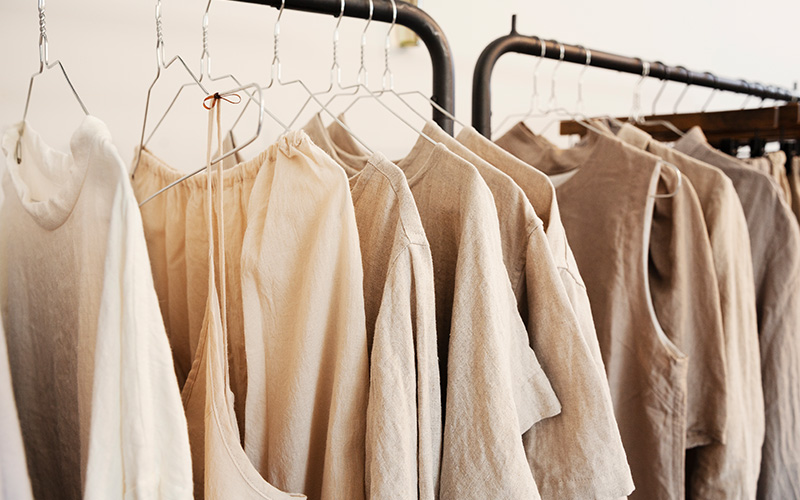
Designers use ramie for lightweight, breathable pieces like shirts, blouses, and summer dresses. Its ability to absorb moisture and maintain a cool feel against the skin makes it perfect for warm-season attire. Ramie fabric has a smooth sheen akin to silk and a crisp hand-feel similar to linen.
While pure ramie can be somewhat stiff, modern finishing techniques, such as enzyme washing, are used to soften the fabric and improve its drape without compromising its inherent strength. Many eco-conscious brands favor ramie for its natural luster and resistance to bacteria, which helps keep garments fresh longer.
Blending Ramie with Other Fibers
Manufacturers frequently blend ramie with fibers like cotton, linen, silk, or polyester to enhance softness, flexibility, or reduce costs.
| Common Blend | Purpose | Notable Qualities |
| Ramie–Cotton | Everyday wear | Softer, breathable, better wrinkle resistance |
| Ramie–Linen | Summer garments | Textured, durable, highly breathable |
| Ramie–Silk | Premium fashion | Smooth, light sheen, elegant drape |
| Ramie–Polyester | Technical apparel | Strong, wrinkle-minimized, moisture-resistant |
These blends allow designers to achieve specific performance goals while retaining the core ecological benefits of using a natural fiber like ramie.
Home Textiles and Industrial Uses
Beyond clothing, ramie is used in various home and industrial applications due to its strength and wash stability. It is found in upholstery, table linens, curtains, and wall hangings. Its natural whiteness ensures sharp color definition when dyed for decorative fabrics.
Industrially, ramie is used for durable items such as sewing threads, filter cloths, and even insulation. Its heat resistance and natural antibacterial qualities also make it suitable for medical textiles and strong household goods, demonstrating its versatility in meeting modern sustainability goals.
Sustainability and Environmental Benefits of Ramie
Ramie is a sustainable fiber choice because it requires less water and fewer chemicals, and it breaks down naturally. Its entire lifecycle is characterized by a lower environmental impact compared to many conventional textiles.
Low Water and Minimal Pesticide Use
Ramie thrives on natural rainfall in its warm, humid growing regions, which means its water consumption is generally lower than that of crops that require extensive irrigation, such as conventional cotton. This reduces strain on freshwater resources and lowers the energy needed for pumping water.
Furthermore, the plant’s natural pest resistance means farmers need to use minimal, if any, pesticides. This practice protects the surrounding soil and water sources. By emphasizing responsible water management and limited chemical inputs, ramie cultivation supports healthier ecosystems.
| Factor | Ramie | Conventional Cotton |
| Water Requirement | Moderate (often rainfall-dependent) | High (frequent irrigation needed) |
| Pesticide Dependency | Low | High |
Ramie’s Role in Reducing Textile Waste
Ramie’s natural strength and longevity mean garments last longer, leading to fewer replacements and a reduction in the volume of textiles sent to landfills.
Crucially, ramie is fully biodegradable. When a ramie product is finally discarded, it decomposes naturally within months, leaving behind no harmful microplastics. This makes it a highly valuable fiber for minimizing textile pollution. Additionally, ramie can be recycled or composted, fully supporting a circular economy focused on reuse and renewal.
Certifications and Eco-Labels
Certifications like the Global Organic Textile Standard (GOTS) and OEKO-TEX Standard 100 help verify the sustainability and safety of ramie textiles. These labels confirm that the fibers are processed responsibly, using safe dyes, minimal chemicals, and responsible water management.
| Certification | Focus Area | Assurance Provided |
| GOTS | Organic farming, full supply chain | Limits toxic inputs, ensures traceability |
| OEKO-TEX | Chemical safety in textiles | Tests for harmful substances, safe for human use |
These certifications give consumers measurable proof of environmental responsibility and ethical production, underscoring ramie’s potential as a premier sustainable fiber.
Caring for Ramie: Best Practices
Proper care is simple and essential for maintaining ramie’s smooth texture, natural strength, and clean appearance, ensuring the longevity of your garment.
Washing and Maintenance
Ramie benefits from a mild care routine.
- Washing: Hand washing or a gentle machine cycle using cold water and a mild, pH-neutral detergent is recommended. Avoid bleach and strong chemicals, as they weaken natural fibers.
- Drying: Air drying in the shade is best to prevent fading and fiber brittleness. Tumble drying should be avoided to conserve energy and prevent unnecessary wear.
- Ironing: Ironing on a medium heat setting while the fabric is slightly damp helps maintain its crisp, smooth appearance.
| Action | Recommendation |
| Water Temperature | Cold or below 30°C (86°F) |
| Detergent Type | Mild, pH-neutral, no bleach |
| Drying Method | Air dry in shade, avoid the dryer |
Ramie naturally resists wrinkles better than linen and holds its shape well due to its high tensile strength. Consistent, gentle care helps extend the fabric’s life while preserving its durability and crisp appearance.

Frequently Asked Questions
What are the environmental benefits of using ramie in fashion?
Ramie is a perennial, rapidly renewable crop that can be harvested several times a year without replanting, reducing soil disturbance. It requires less water and fewer pesticides than conventional cotton, and it is fully biodegradable, leaving no microplastics behind at the end of its life.
How does ramie fabric compare to cotton in terms of sustainability?
Ramie is generally considered more sustainable than conventional cotton because it uses less water and requires fewer chemical inputs (like pesticides) during growth. Ramie’s fibers are also stronger, meaning ramie garments last longer, which directly reduces textile waste.
What are the care instructions for garments made from ramie?
Ramie is easy to care for as it resists stretching, shrinking, and mildew. It should be machine-washed in cold water with a mild detergent and then air-dried. Ironing on a medium heat while damp will restore its crisp finish.

Chisato Ogino
Chisato Ogino, from Kaga City, Ishikawa Prefecture, is a graduate of Kanazawa Gakuin College and the College of Fashion Designers. With extensive experience in apparel design and premium textile development, she has served as Chief Designer at Sanyo Corporation (VINVERT) and collaborated with leading brands such as MUJI, World, and CHISATO PLANNING.
Chisato specializes in innovative material research and exhibition planning for major companies and has also worked as a consultant and lecturer for industry organizations.
Want to Know More About Our Products?
View All Products Now