European Premium Natural Ramie Textile Suppliers
{acf_blog-txt}
European Premium Natural Ramie Textile Suppliers
Looking for a natural textile that feels crisp, lasts, and meets strict European standards? European premium natural ramie textile suppliers deliver high-quality ramie fabrics with careful processing, clear sourcing, and a real focus on sustainability.
Most premium ramie used in Europe comes from trusted global sources, mainly Asia. European mills refine it, bringing quality control and advanced finishing to the table.
These suppliers care about strength, breathability, and a clean look. Ramie works well for apparel, home textiles, and specialty uses.
Overview of European Premium Natural Ramie Textile Suppliers
The market here is shaped by tough quality rules, strong sustainability goals, and close ties to Asian fiber sources. European suppliers emphasize fabric finishing, blends, and traceable supply chains that fit fashion and home textile needs.
Industry Landscape
Most raw ramie fiber comes from Asia, mainly China. European suppliers add value through spinning, weaving, dyeing, and finishing.
Ramie shows up in woven fabrics, yarn blends, and finished textiles. Many suppliers mix ramie with linen or cotton for better softness and drape.
European buyers expect clear origin data, stable quality, and small to mid-size batch options. Regulations on chemicals and labor shape how suppliers source and process ramie.
Key Players in the Market
The market features a mix of European-based firms and global groups active in Europe. Some companies manage sourcing from Asia but keep quality control in Europe.
Large fiber groups with European operations support ramie yarn and fabric supply. Textile agents and mills across Italy, France, and Germany handle premium woven ramie and ramie-linen blends.
Long-standing linen and bast fiber specialists have added ramie to their product lines. These firms serve luxury apparel, shirts, and home textiles.
Many suppliers list products on platforms like Europages, making it easier to compare mills, finishes, and certifications.
Recent Trends
There’s steady growth tied to demand for natural and low-impact textiles. Buyers like ramie because it uses less water than cotton and resists mold and bacteria.
European suppliers now offer more certified and traceable ramie fabrics. OEKO-TEX and similar standards confirm safety and compliance.
Designers want lighter weights, softer hand feel, and better color consistency. Suppliers invest in enzyme treatments and improved weaving methods.
Interest in ramie is rising for summer apparel and eco-focused collections, especially when blended with linen for comfort and strength.
Defining Quality Standards for Natural Ramie Textiles
Premium ramie stands out by how it performs, meets rules, and gets processed. Clear standards help compare suppliers and lower risk across sourcing and production.
Fiber Grading Criteria
Quality starts at the fiber level. High-grade ramie has long, fine fibers with strong tensile strength and low breakage.
Cleanliness is crucial. Low gum residue and minimal bark or dust help a lot.
Color signals quality too. Premium fibers look white to pale cream with a soft sheen. Dark or uneven color usually means poor retting or storage.
To compare lots, use consistent measures:
| Metric | What You Check | Why It Matters |
| Fiber length | Average staple length | Longer fibers spin smoother yarn |
| Fineness | Micron range | Finer fibers feel softer |
| Strength | Tenacity tests | Higher strength improves durability |
| Cleanliness | Residual gum (%) | Clean fibers dye evenly |
Ask suppliers for lab results and lot-level data. Avoid blends unless the grade stays clear and labeled.
Certifications and Compliance
Protect the supply chain by checking recognized certifications. In Europe, OEKO-TEX® Standard 100 means textiles meet limits for harmful substances.
REACH compliance ensures chemicals meet EU safety rules. For organic ramie, look for GOTS certification across processing steps.
Testing to ISO methods for strength, colorfastness, and shrinkage matters too. Request current certificates, scope details, and expiry dates. Match certificates to the exact mill and process to avoid gaps between paperwork and real production.
Eco-Friendly Processing
Processing after harvest makes a difference. Traditional degumming uses harsh chemicals, but enzyme-based or low-alkali methods are preferred. These reduce fiber damage and limit wastewater.
Water use and treatment matter. Closed-loop systems, filtration, and pH control signal responsible mills.
Energy use and drying methods also count. Air drying and efficient heat systems lower impact without harming fiber quality. When suppliers document these steps, quality stays predictable and compliance issues drop.
Manufacturing Processes of Ramie Textiles in Europe
Fiber quality, controlled processing, and strict standards get a lot of attention. European suppliers rely on careful sourcing, precise spinning and weaving, and clean finishing steps to deliver stable and premium ramie textiles.
Sourcing Raw Ramie
Raw ramie fiber usually comes from Asia, where the Boehmeria nivea plant grows well. European suppliers select fiber based on length, strength, and low impurity levels.
Early processing happens near the farms. This includes decortication to remove bark and partial degumming to reduce gums.
European mills receive semi-clean fiber, which cuts waste and energy use later on.
- Fiber length and color
- Moisture level
- Traceability records
- Compliance with EU chemical rules
Spinning and Weaving Techniques
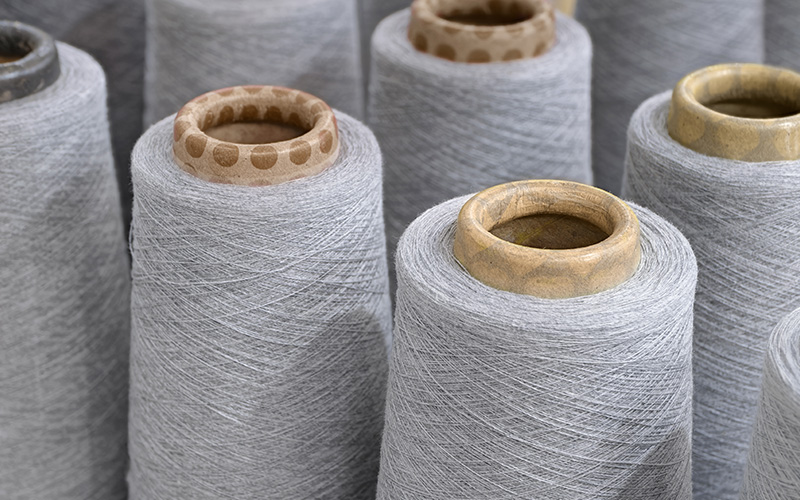
Ramie fiber gets processed through controlled spinning to manage its natural stiffness. Mills use cotton or linen spinning systems, adjusting tension and humidity.
Yarn gets woven on modern looms. European mills favor tight weave control to highlight ramie’s strength and crisp texture.
Slower speeds and close monitoring reduce defects and keep fabric uniform.
Finishing and Treatment Methods
Finishing steps improve comfort and appearance. Full degumming removes remaining gums and softens the fabric.
Mills often use enzyme or low-impact chemical treatments to meet EU safety rules.
- Controlled bleaching for clean color
- Mechanical softening for better hand feel
- Sanforizing to limit shrinkage
Strict water treatment and waste control protect fabric quality. These steps help suppliers meet environmental standards while keeping ramie’s natural strength intact.
Product Range Offered by Leading Suppliers
European premium ramie suppliers focus on fabric quality, fiber traceability, and consistent performance. Materials range from pure ramie for structure to blends and custom builds for comfort, durability, and design control.
Pure Ramie Fabrics
100% ramie fabrics work well for apparel, home textiles, and fashion linings. European suppliers offer plain weave, twill, and lightweight canvas options with controlled yarn counts and even finishes.
These fabrics stand out for high tensile strength, natural luster, and crisp hand feel. Strong resistance to mold, insects, and bacteria supports long-term wear and storage.
Common formats include piece-dyed, yarn-dyed, and greige fabric. Many suppliers also provide pre-washed or softened finishes to reduce stiffness and improve drape while keeping ramie’s natural structure.
Blended Ramie Textiles
Ramie blends balance structure with comfort or flexibility. Common blends include ramie with cotton, linen, viscose, silk, or polyester, depending on end use.
Blends help manage shrinkage, reduce wrinkling, and improve softness against the skin. For apparel, ramie-cotton and ramie-viscose blends work well for shirts, dresses, and summer trousers.
European mills keep blend ratios tight to ensure consistent results.
Specialty and Custom Applications
Custom ramie textiles can be tailored to specific performance or design needs. European suppliers often support low-MOQ sampling, fabric engineering, and finish customization.
Specialty options include coated ramie, enzyme-washed fabrics, and textiles designed for embroidery or digital printing. Some suppliers develop ramie fabrics for interiors, like curtains, wall panels, and upholstery bases.
Specify width, weight, weave, and finish based on your product plan. This level of control helps align material performance with branding, sustainability goals, and technical requirements.
Major Applications of European Ramie Textiles
European ramie textiles come into play when strength, breathability, and a clean natural look matter. Suppliers across Europe focus on high standards, stable quality, and traceable sourcing for fashion, interiors, and technical products.
Fashion and Apparel
Ramie works for garments that need structure and airflow. The fiber holds shape, resists moisture, and keeps colors bright after dyeing.
European mills often blend ramie with cotton or wool for a softer hand feel while keeping durability. Common uses include shirts, dresses, trousers, and summer jackets.
Ramie also appears in linings and trims where strength is needed.
Key benefits for apparel
- Strong fiber that resists wear
- Breathable fabric for warm climates
- Natural luster for a clean finish
Designers appreciate ramie for tailored pieces and casual wear with a crisp look.
Home and Interior Textiles
Ramie steps up for home products that see daily use. The fiber shrugs off mildew and manages moisture better than most plant fibers.
That makes it a solid pick for both indoor and semi-outdoor spaces. European suppliers turn ramie into curtains, table linens, upholstery, and cushion covers.
This fabric keeps its shape and doesn’t sag much as time goes by.
Long service life comes without heavy treatments or coatings.
Industrial Uses
Ramie finds its way into industrial and technical products where strength really matters. European producers supply ramie for ropes, canvas, and reinforcement fabrics.
The fiber performs well under tension and repeated stress. Some manufacturers mix ramie into paper products and natural composites.
These materials fit low-impact design goals and skip synthetic fibers. Industrial buyers care about:
- High tensile strength
- Low stretch under load
- Plant-based and biodegradable content
Sustainability and Environmental Impact
European premium ramie suppliers lean into low-impact farming and careful processing. Certified organic crops and steps to cut waste show up throughout the supply chain.
Organic Certification
Ramie grown with fewer inputs and clear standards brings real benefits. Many European suppliers work with EU Organic farms and GOTS-certified processors, controlling chemicals from field to fabric.
Ramie grows fast, needs less water than cotton, and gets by with fewer pesticides. Farms often use integrated pest management over routine spraying, which helps keep runoff low and soil life healthy.
Certification also brings better traceability. Fiber origin, farm methods, and processing steps become trackable—important for brands that want proof, not just promises.
Common certification features
- No synthetic pesticides or fertilizers
- Restricted chemicals during processing
- Audited supply chains and records
Waste Reduction Initiatives
Suppliers that cut waste during fiber extraction and fabric making add real value. Mechanical decortication swaps out harsher methods when possible, trimming chemical use and water demand.
Processing still uses energy, especially in retting. Leading suppliers limit chemical retting and reuse water in closed systems.
Some mills recover fibers from by-products and blend them into yarns. Ramie fabric naturally biodegrades, which helps with end-of-life waste.
How to Select a Premium Ramie Textile Supplier
Finding a supplier that offers steady quality, proof of standards, and reliable delivery across Europe isn’t always simple. It helps to look closely at how the supplier runs their business, controls fabric quality, and ships goods to your market.
Supplier Evaluation Criteria
Start with the supplier’s track record in ramie, not just textiles in general. Ask how long they’ve worked with ramie fibers and which fabric weights and finishes they do most.
Ramie needs careful handling, so experience counts. Check fiber sourcing too.
Premium suppliers usually name their source regions and explain their fiber grading process. Many strong suppliers bring in long-staple ramie from Asia and finish it in Europe.
Review minimum order sizes, pricing bands, and lead times. These details help show if the supplier fits your scale.
Clear contracts, stable pricing terms, and direct communication with a named contact all matter.
Quality Assurance Practices
Premium ramie should meet clear, repeatable standards. Written specs covering fiber length, yarn count, fabric weight, and shrinkage limits are a must.
Don’t rely on samples alone. Strong suppliers test at multiple stages—raw fiber, greige fabric, and finished cloth all get checked.
Defect handling matters. Look for a clear claim process, replacement terms, and batch tracking.
Logistics and Distribution Capabilities
Reliable delivery keeps production on track. Suppliers with EU-based warehouses or mills cut transit time and customs risk, making reorders faster too.
Confirm standard shipping methods, average dispatch times, and cut-off dates. Premium suppliers give real timelines, not just rough guesses.
Packing and labeling matter since ramie creases easily. Rolling, moisture control, and pallet protection all play a part.
Disruptions happen. Ask for examples of past delays and how they sorted them out—clear answers show operational control.
Frequently Asked Questions
What are the leading suppliers of natural ramie textiles in Europe?
Most ramie fiber comes from Asia, then gets processed through specialized mills and distributors in Europe. Textile groups in Italy, France, and Germany often focus on premium natural fabrics.
Some European companies partner with long‑term ramie growers and spinners. These partnerships help ensure stable quality and traceable supply for apparel and home textiles.
How does ramie fabric compare to other natural fabrics?
Ramie feels a lot like linen but with a smoother surface and a natural sheen. It wrinkles less than linen and holds its shape well during wear.
Compared to cotton, ramie uses less water and needs fewer chemical inputs. It also resists mold, insects, and bacteria, which helps extend fabric life.
What should I look for when reviewing European ramie fabric suppliers?
Start by checking where the fibers come from and how they process the material. Consistency between batches matters too, so ask about that. Reliable suppliers usually offer clear info about their sourcing and finishing steps.
Minimum order sizes and lead times can make or break a deal. Look for suppliers who are upfront about their testing standards. Certifications and real experience with natural fibers tend to point to better quality control.

Chisato Ogino
Chisato Ogino, from Kaga City, Ishikawa Prefecture, is a graduate of Kanazawa Gakuin College and the College of Fashion Designers. With extensive experience in apparel design and premium textile development, she has served as Chief Designer at Sanyo Corporation (VINVERT) and collaborated with leading brands such as MUJI, World, and CHISATO PLANNING.
Chisato specializes in innovative material research and exhibition planning for major companies and has also worked as a consultant and lecturer for industry organizations.
Want to Know More About Our Products?
View All Products Now