Japanese Technical Innovation of Ramie Textile: Tradition to Modernity
{acf_blog-txt}
Japanese Technical Innovation of Ramie Textile: Tradition to Modernity
Japanese ramie textiles stand at the crossroads of craft, technical skill, and everyday practicality. Japan has refined ramie by improving fiber splitting, dye control, and finishing, creating light, strong cloth that suits hot, humid weather.
These methods grew out of daily life and the local climate—not just fleeting trends. In places like Niigata, makers twist ramie by hand, bind threads for patterns, and bleach cloth on snowy fields to boost brightness and softness.
These choices turn a tough plant fiber into something wearable. Over time, Japan has kept the core methods but added better process control, testing, and new uses.
Fundamentals of Ramie and Its Properties
Ramie is a bast fiber that offers high strength and long fibers. Its performance traits stand out among natural fibers used in textiles.
The ramie plant, Boehmeria nivea (sometimes called china grass), was first cultivated in China and then spread across East Asia. Japan adopted it early for ropes, nets, and summer fabrics.
Farmers grow ramie as a perennial crop with several harvests each year. Good conditions let them cut stems multiple times per season, raising yield per hectare compared to many other fiber crops.
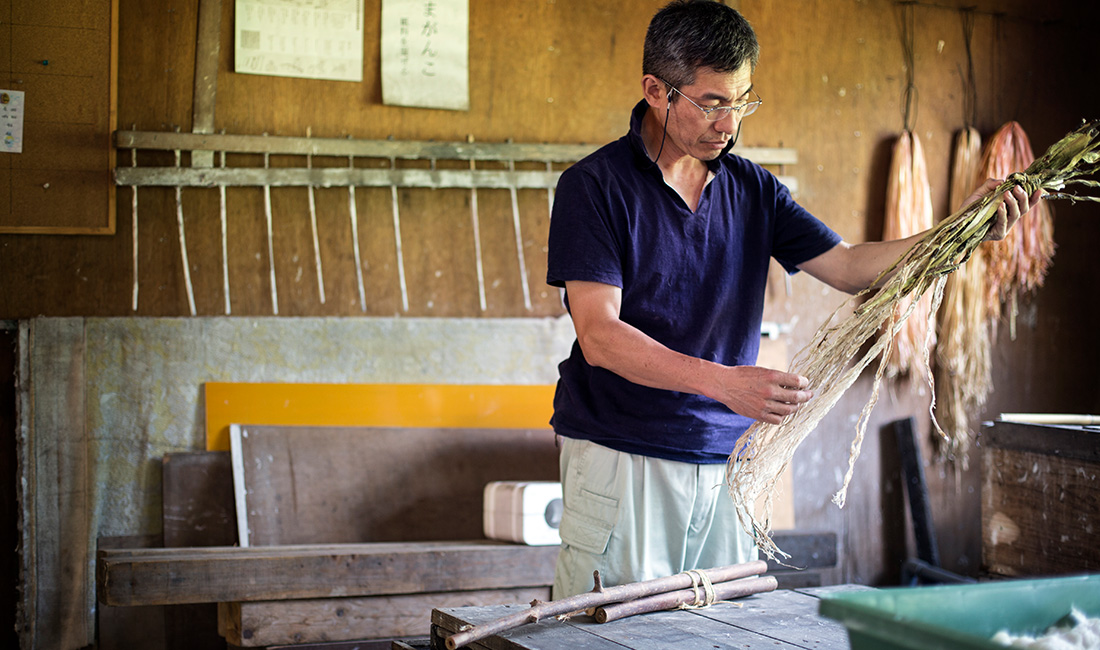
Ramie fiber comes from the plant’s bark, making it a bast fiber. Extracting it requires peeling, decortication, and degumming, and skilled handling is crucial—rough work lowers quality and causes breakage.
Ramie fiber has high tensile strength and stays strong when wet, which is handy during washing and dyeing. Few plant fibers reach this level of strength.
Long fiber length and a smooth surface give ramie a natural luster and crisp feel. The fabric feels cool on the skin and dries quickly, thanks to good heat conduction.
Ramie resists mildew and bacteria better than cotton. It’s got good moisture resistance but low elasticity, so it wrinkles easily and often needs blending or finishing for more flexibility.
It’s biodegradable, breaking down naturally at the end of its life cycle—a bonus for eco-minded folks.
Comparison with Other Natural Fibers
Ramie often gets compared with cotton, linen, and hemp to find the best fit for a given use.
| Property | Ramie | Cotton | Linen | Hemp |
| Tensile strength | Very high | Medium | High | High |
| Fiber length | Long | Short | Medium | Medium |
| Moisture resistance | High | Medium | Medium | High |
| Elasticity | Low | Medium | Low | Low |
Ramie works best when strength, crisp texture, and fast drying matter most. Cotton is all about softness and easy care, while linen and hemp offer durability but less shine.
Blending ramie with other eco-friendly fibers often balances comfort, cost, and performance.
Traditional Japanese Ramie Textile Heritage
Japanese ramie textiles come from specific regions where climate, skill, and local history shaped the cloth. Each tradition highlights how artisans refined ramie into lightweight patterned textiles with strength, breathability, and a silky luster for daily wear.
Ojiya-chijimi and Echigo-jofu: Cultural Significance
Ojiya-chijimi and echigo-jofu are found in the Uonuma region of Niigata Prefecture. Artisans there adapted ramie for cold winters and humid summers, spinning fine yarn, dyeing with resist methods, and weaving thin fabric.
Snow plays a surprising role. Makers spread woven cloth on snow to brighten color and soften the feel, boosting comfort and clarity of pattern.
UNESCO recognizes these techniques as Intangible Cultural Heritage for preserving hand skills, local tools, and regional knowledge.
Key traits
- Crisp texture with airflow
- Subtle patterns from resist dyeing
- Strong fibers for long wear
The Miyako jofu Tradition
Miyako jofu comes from Miyakojima in Okinawa, where heat and humidity make cool clothing a must. Makers use ramie to create cloth that feels light and dry on the skin.
Artisans harvest ramie, split fibers by hand, and spin extremely thin thread. They apply kasuri patterning before weaving, creating soft, blurred designs and a natural sheen.
The Japanese government recognizes miyako jofu as a traditional craft and an important cultural property, protecting methods passed through families for generations.
What sets it apart
- High breathability for summer wear
- Glossy surface without heavy finish
- Careful handwork from plant to cloth
Satsuma jofu and Okinawan Influence
Satsuma jofu is tied to southern Japan and the old Ryukyu Kingdom. Trade between Okinawa and mainland Japan moved ramie skills, patterns, and tools across the region.
Satsuma jofu shares traits with Okinawan ramie cloth—plain tones, fine yarn, and comfort in warm weather. The cloth was made for daily use, not just show.
This exchange sparked technical growth through contact, not isolation. Ramie textiles spread and adapted to local needs over time.
| Textile | Region | Notable Feature |
| Satsuma jofu | Southern Japan | Simple design, strong fiber |
| Okinawan ramie | Ryukyu Islands | Cool feel, refined handwork |
Ramie Processing Innovations in Japan
Japan has steadily improved ramie processing, upgrading equipment, chemical control, and drawing a line between craft and industrial systems. These changes protect fiber quality while boosting consistency, safety, and environmental performance.
Modern Decortication Methods
Japanese ramie processing starts with precise decortication to protect long fibers. Small producers still use manual steps, but bigger workshops have adopted mechanized decortication and mechanized harvesting.
Modern machines strip bark evenly and reduce fiber breakage, improving yarn strength and cutting waste. In traditional textile regions, operators adjust speed and pressure to fit local ramie varieties.
Key improvements include:
- Cleaner bast separation with less debris
- More uniform fiber length
- Better output control for weaving-grade yarn
These upgrades strengthen local processing infrastructure without sidelining skilled oversight.
Advances in Degumming Techniques
Big gains have come in degumming, which removes gum and pectin from ramie fibers. Old-school chemical degumming worked quickly but often damaged fibers and polluted water.
Many Japanese processors now use enzyme degumming or enzyme-assisted degumming. These methods break down gums at lower temperatures and with fewer harsh chemicals. Some workshops call this shift eco-degumming since it cuts wastewater and improves worker safety.
Practical results include:
- Softer fibers with better dye uptake
- Lower water and chemical use
- More consistent quality for fine textiles
Handcrafting Versus Mechanized Production
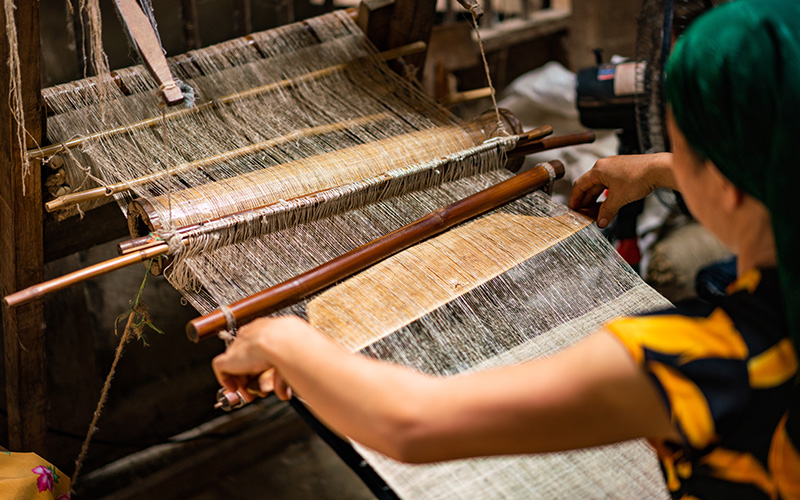
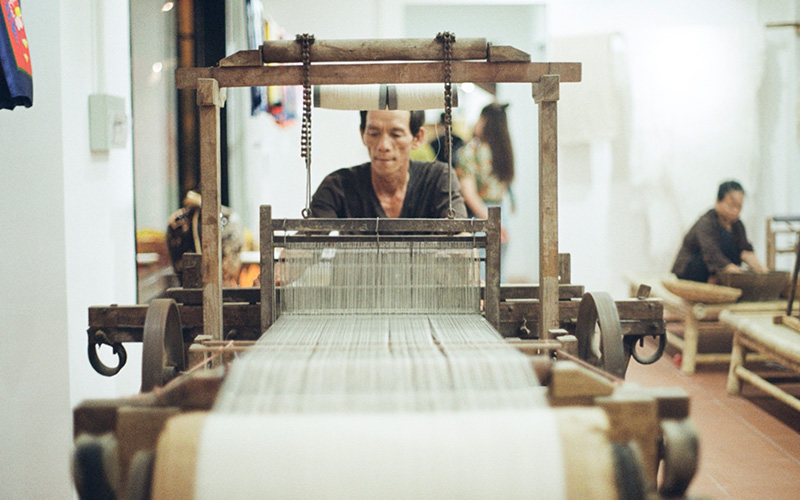
There’s a clear divide between handcrafting and mechanized output. Traditional textiles like Miyako jofu still use hand-spun yarn and tools such as the back-strap loom. Artisans accept slower output to preserve texture, breathability, and visual depth.
Mechanized production focuses on uniform fabric for wider markets. Power looms and standardized yarns bring reliable volume and stable pricing.
Both systems depend on strong ramie processing standards. One protects cultural value, the other supports scale and supply. Japan keeps both going by matching tools and skills to the textile’s final use.
Spinning, Weaving, and Finishing Techniques
Japanese ramie textiles show careful control at every stage. Artisans manage fiber strength, yarn structure, and surface finish to make cloth that stays strong, smooth, and stable in use.
Hand Spinning and Thread Production
Long ramie fibers get cleaned and aligned by hand. Spinning happens while fibers are slightly damp, which reduces breakage and helps even out the twist.
This approach boosts wet strength, a key trait of ramie thread. Traditional spinning systems stick to low or medium twist, keeping yarn firm but flexible.
Artisans often join fine strands for the right thickness instead of forcing heavy twist. Key controls during spinning include:
- Fiber alignment to limit weak points
- Twist level to manage stiffness
- Moisture control to protect fiber length
Visual checks and tension tests serve as early quality control. Modern producers might add third-party testing for yarn strength and consistency.
Innovative Weaving and Knitting Methods
Ramie fabric is woven on looms adapted for stiff fibers. Japanese weavers often use plain weave or tight variations to lock yarns in place, limiting fraying and supporting long wear.
Some regions use limited knitting methods for ramie blends. Knitting adds flexibility but demands careful yarn prep to avoid splitting. Needle size and speed get adjusted to match ramie’s low elasticity.
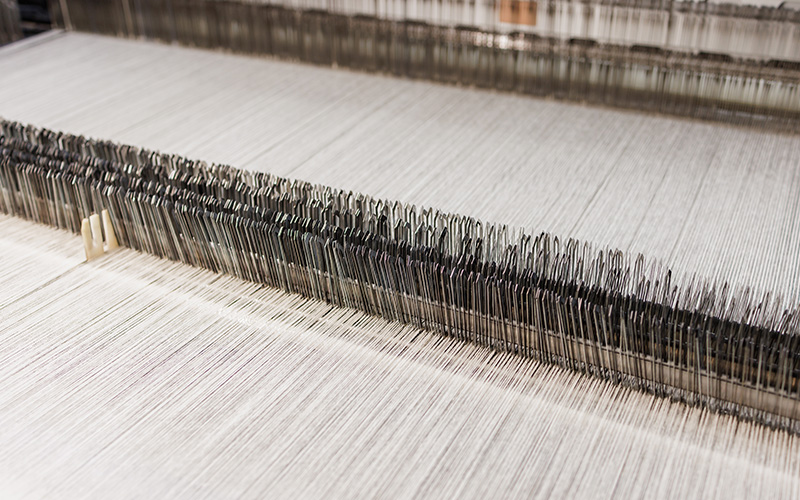
Loom tension needs close monitoring. Even small mistakes can lead to uneven fabric or broken threads.
Dyeing, Pattern Making, and Fabric Finishing
Ramie is usually dyed after weaving to control shrinkage and color depth. Artisans often turn to plant-based dyes like indigo, which bond well with cellulose fibers. Pre-wetting the cloth helps dyes spread evenly.
Pattern making relies on resist methods like kasuri. Binding or stitching sections before dyeing creates soft-edged designs. Precision is key, since ramie holds its shape during wet processing.
Finishing steps define final quality:
- Washing to remove excess dye
- Stretching to restore fabric width
- Polishing to smooth the surface
Results get checked in-house, and sometimes with third-party testing. These steps help ensure consistency, colorfastness, and long-term fabric performance.
Performance Attributes and Modern Applications
Japanese innovation really leans into strength, durability, and tight control over fiber quality. Those improvements show up in high-performance fabrics, smart blends, and steady use in both industry and home textiles.
High-Performance and Technical Textiles
Ramie delivers high tensile strength and barely stretches at all. Japanese mills keep refining degumming and spinning to make fibers smoother and more even.
This kind of control boosts wear life and helps fabrics hold their shape in high-performance fabrics. Ramie shrugs off heat better than most plant fibers, too.
Researchers in Japan keep testing treated ramie for technical textiles like fire-resistant fabrics and reinforced materials. These uses need clean cellulose and yarns spun with precision.
Engineers add ramie to composites for extra stiffness and lasting durability. They’ll pair it with polymers to get more strength without adding much weight.
That’s why ramie applications fit workwear and specialized fabric systems so well.
Ramie Blends and Material Innovation
Blending ramie with other fibers creates a nice balance. Japanese developers keep experimenting with blends to boost comfort, crease recovery, and dye control.
Blending also softens ramie without sacrificing its strength. Here are some common blends:
| Blend | Key Benefit | Typical Use |
| Ramie + Cotton | Better softness and breathability | Shirts, summer wear |
| Ramie + Silk | Smooth feel with added strength | Fine garments |
| Ramie + Synthetics | Higher durability and shape hold | Technical apparel |
Processing methods keep getting cleaner, too. Improved chemical control means less fiber damage and waste.
This attention to detail keeps ramie blends consistent for modern production.
Industrial and Home Textile Uses
Ramie shows up in industrial applications where strength and long life matter. Japanese producers use it in cords, canvas, and reinforced fabrics.
Its durability means fewer frequent replacements. At home, you’ll spot ramie in table linens, curtains, and upholstery blends.
The fiber holds its shape, resists wear, and stands up to frequent washing. It dries quickly, which is a real bonus in humid climates.
Consistent sizing and finish matter here. Japanese mills adjust yarn count and weave density for reliable results.
This focus keeps home textiles and industrial goods steady in daily use.
Sustainability, Certification, and Market Trends
Japanese ramie textiles are shaped by strict environmental goals, formal certification systems, and close ties to global markets. These factors influence how producers design fabric, pick partners, and connect with buyers.
Sustainable Fashion and Eco-Initiatives
There’s strong demand for sustainable fashion and eco-fashion in Japan’s ramie sector. Brands like ramie since it needs fewer chemicals and outlasts a lot of other plant fibers.
This durability supports long-lasting sustainable textiles for both apparel and home use. Producers put money into cleaner processing, keeping production costs in check while meeting eco targets.
Many mills cut water use, limit harsh dyes, and reuse fiber waste. Ramie recycling is still pretty rare, but there’s growing interest in blended fabrics that stretch product life a bit longer.
Premium markets keep driving ramie demand. Buyers value breathability, strength, and a low-impact story.
These features support steady ramie production without the kind of rapid scaling that could drag down quality.
Certifications and Compliance Standards
Certifications help prove quality and safety. Japanese ramie textiles often meet OEKO-TEX® Standard 100, which checks for harmful substances.
This standard helps avoid shipment rejections in export markets. Many suppliers carry ISO 9001 for stable quality control.
For organic or recycled content, look for GOTS or GRS from certified suppliers. These labels make traceability and buyer trust much easier.
Exporters pay close attention to EU REACH rules and the EU Textile Strategy 2030. Non-compliance can block market access or drag out lead times.
Clear documentation helps avoid delays and keeps long-term trade relationships solid.
Global Supply Chain and Market Access
Japan sits between the big fiber producers and high-value buyers. China and India lead global ramie output, while Japan focuses on advanced finishing and tough standards.
This position helps Japan access premium markets. Lead times can make or break deals, so Japanese firms use digital tracking and careful sourcing to keep delays down.
That helps manage risk when raw fiber prices shift. Here are some key supply chain factors:
| Factor | Impact on You |
| Certified sourcing | Fewer border issues |
| Compliance with REACH | Wider EU access |
| Stable lead times | Lower buyer risk |
Frequently Asked Questions
What are the unique properties of ramie fabric compared to cotton?
Ramie fibers feel firmer and smoother than cotton. The yarns come out stronger, resist stretching, and hold their shape.
Ramie lets air pass through more easily, so it’s more comfortable in hot, humid weather than most cotton fabrics.
How does the process of creating Ojiya Chijimi showcase Japan’s innovation in textile techniques?
Innovation shows up in the way makers use hand-twisted ramie yarns and controlled creasing. They apply starch, then rub the fabric to create those fine wrinkles that boost airflow.
Craftspeople also adjust their methods for local climate. Cold Niigata winters help set the fabric’s texture and allow for slow, careful finishing.
In what ways has Japan’s textile industry influenced global fabric trends with ramie innovation?
Japan’s textile industry leans into quality, not just mass production. Their approach puts durability and breathability front and center.
Meticulous fiber handling is a big deal there. These traditions have sparked more global interest in natural, low-impact fabrics.
Designers and researchers often look to Japanese ramie methods for inspiration. When it comes to sustainable textiles, Japan’s techniques keep popping up in conversations and experiments.

Chisato Ogino
Chisato Ogino, from Kaga City, Ishikawa Prefecture, is a graduate of Kanazawa Gakuin College and the College of Fashion Designers. With extensive experience in apparel design and premium textile development, she has served as Chief Designer at Sanyo Corporation (VINVERT) and collaborated with leading brands such as MUJI, World, and CHISATO PLANNING.
Chisato specializes in innovative material research and exhibition planning for major companies and has also worked as a consultant and lecturer for industry organizations.
Want to Know More About Our Products?
View All Products Now