Ramie Fabric for Home Textiles: Bedding, Curtains, and Table Linens
{acf_blog-txt}
Ramie Fabric for Home Textiles: Bedding, Curtains, and Table Linens
Ramie fabric is quickly becoming a go-to option for eco-conscious homeowners looking for durable, sustainable, and stylish textiles.
Known for its exceptional strength, natural sheen, and moisture-wicking properties, ramie is an ideal choice for bedding, curtains, and table linens.
Whether you’re looking for breathable bedding that stays crisp, curtains that reflect light softly, or table linens that remain fresh after multiple washes, ramie offers the perfect blend of functionality and elegance for your home.
What Is Ramie Fabric?
Ramie fabric is a natural bast fiber derived from the ramie plant (Boehmeria nivea), a member of the nettle family.
It combines luster, tensile strength, and moisture absorption, making it ideal for bedding, curtains, and table linens that require both breathability and structure.
Origins and History
The ramie plant has been used for thousands of years, with woven cloth dating back to 5000 BCE in China. Cultivated in regions like China, Japan, and the Philippines, it was prized for its resistance to decay in humid climates.
Today, China remains the top producer, and mechanized processing has made ramie a more efficient and sustainable option in modern textiles, known for its linen-like sheen and long fibers.
Key Properties and Benefits of Ramie Fabric
Here are some benefits of Ramie Fabric :
- Strength and Durability
- Natural Sheen and Luster
- Breathability and Moisture-Wicking
- Resistance to Bacteria and Mildew
- Environmental Impact and Sustainability
- Strength and Durability
Ramie has high tensile strength, making it resistant to stretching, tearing, and sagging, even when wet. It maintains its shape and crispness after multiple washes and is more durable than linen. - Natural Sheen and Luster
Ramie fibers reflect light evenly, creating a silky sheen that gives fabric a crisp, polished look. This adds elegance to home textiles like curtains and table linens. - Breathability and Moisture-Wicking
Ramie absorbs moisture while remaining dry to the touch, allowing for airflow and quick drying. This helps keep textiles cool, dry, and resistant to mildew, especially in humid climates. - Resistance to Bacteria and Mildew
Ramie naturally resists bacteria and mildew, keeping textiles fresh and reducing the need for chemical treatments, making it an eco-friendly choice. - Environmental Impact and Sustainability
Ramie requires minimal pesticides, fertilizers, and irrigation, and is biodegradable. It can be harvested multiple times a year without replanting, making it a sustainable and low-impact option.
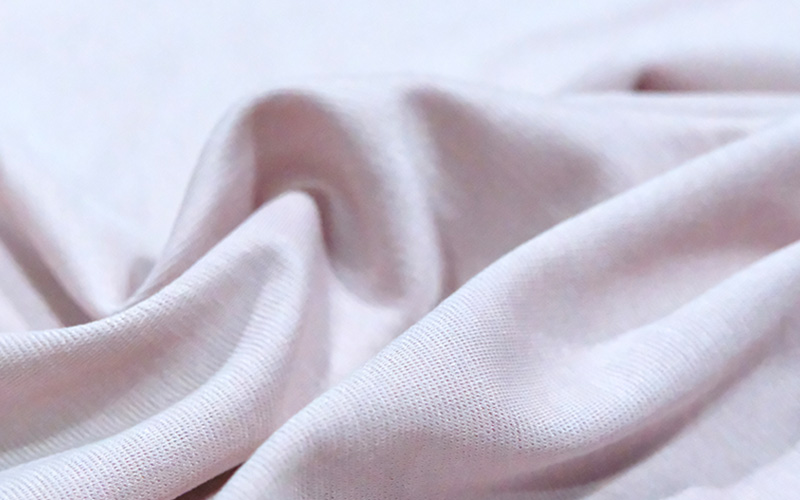
Ramie Fabric for Home Textiles
Ramie fabric combines durability, moisture-wicking properties, and elegance, making it an excellent choice for bedding, curtains, and table linens.
Ramie Fabric in Bedding
Ramie bedding offers a unique combination of strength, moisture control, and natural luster, making it ideal for humid climates.
Its high tensile strength ensures that sheets and duvet covers maintain their shape and resist tearing, even after frequent washing, while its moisture-regaining ability keeps the fabric dry and comfortable against the skin.
Ramie’s smooth texture and natural sheen give it a crisp, linen-like appearance without the need for additional finishes, and its resistance to bacteria and mildew ensures bedding stays fresh longer.
When blended with cotton or other fibers, ramie enhances softness and reduces wrinkling, while still maintaining the durability and structure of the fabric.
The fiber’s breathability promotes a cooler and more comfortable sleep environment, especially in warmer climates, while also preventing static buildup and minimizing allergens. Over time, repeated laundering softens ramie without compromising its firmness or color, making it a long-lasting and eco-friendly bedding choice.
Ramie Fabric for Curtains
Ramie fabric is an excellent choice for curtains due to its crisp texture, natural sheen, and light-reflective qualities, which enhance daylight without glare.
Its ability to maintain pleats and resist sagging even in humid environments makes it a durable option that holds its shape over time.
Ramie also boasts superior color retention and dyeing capabilities, ensuring vibrant, fade-resistant hues even after exposure to sunlight or frequent washing.
The fiber’s moisture-wicking properties allow it to absorb humidity while drying quickly, making it ideal for coastal or tropical climates where mildew and mold are concerns.
Additionally, ramie’s natural resistance to bacteria and mildew helps keep curtains fresher for longer. With its combination of aesthetic appeal, durability, and practicality, ramie is a smart choice for modern, low-maintenance window treatments in any home.
Table Linens
Ramie cloth is a versatile choice for table linens, combining both practicality and elegance. Its absorbent structure allows it to quickly wick moisture without feeling damp, making it perfect for tablecloths and napkins that remain dry and usable throughout meals.
The natural sheen and smooth texture add visual appeal, while its slightly stiff hand ensures that linens maintain sharp folds and defined edges after multiple washes.
Ramie’s stain resistance, especially to oily substances, and its ability to retain vibrant colors even after frequent washing make it a durable option for both everyday dining and special occasions.
The fiber’s strength prevents distortion from handling, ensuring longevity and maintaining its form over time. With its combination of beauty, functionality, and easy care, ramie table linens are an excellent choice for both casual and formal dining settings.
Care Considerations of Ramie Home Textiles
Proper care of ramie home textiles helps maintain their strength, smooth texture, and natural sheen for long-lasting use. By following a few simple washing, drying, and storage tips, you can keep your ramie bedding, curtains, and table linens looking fresh and beautiful.
Care Tips for Ramie Home Textiles:
- Gentle Washing: Hand wash in cold or lukewarm water with a mild detergent to reduce strain on fibers. Avoid bleach or fabric softeners, which can damage the fibers and reduce breathability.
- Machine Washing: Use the delicate or low-agitation cycle and avoid mixing with heavy fabrics like denim. Turn items inside out to minimize abrasion.
- Drying: Air dry in a shaded, well-ventilated area to prevent brittleness and color fading. If using a dryer, set it to low heat and remove while slightly damp.
- Ironing: Iron on the reverse side at medium heat to restore texture and smoothness.
- Proper Storage: Store ramie in breathable cotton bags or wrapped in acid-free tissue to prevent moisture buildup and discoloration. Avoid plastic containers that trap humidity.
- Folding and Handling: Fold items loosely to preserve their crisp drape and store in a cool, shaded place to protect against UV exposure and yellowing.
Frequently Asked Questions
What are the benefits of using ramie fabric for home textiles?
Ramie fiber has a tensile strength of about 50–60 cN/tex, which is almost twice that of cotton. Fabrics made from ramie resist tearing and do not lose shape after repeated use.
Curtains, bed linens, and tablecloths stay intact and firm even after many wash cycles. The fiber’s moisture regain rate of 12–13% helps it stay breathable in warm or humid settings.
It releases moisture quickly, so bedding and linens stay cooler and drier against the skin. The material’s mildew and bacteria resistance adds an extra level of hygiene, which is useful for textiles often kept in kitchens or bedrooms.
Ramie’s natural luster comes from its smooth fiber surface. This property allows light to reflect gently, giving home furnishings a subtle sheen without using synthetic finishes.
How does ramie compare to cotton and linen in terms of durability and comfort?
Compared to cotton, ramie has higher wet strength and stronger fibers. Cotton loses roughly 25–30% of its strength when soaked, while ramie retains around 85–90%.
This difference means ramie products keep their shape and resist stretching in damp or humid environments. Linen has a slightly rougher surface but similar breathability.
Ramie fibers feel crisper at first and soften with washing, so they often strike a balance between cotton’s softness and linen’s firmness. Bedding stays smooth and cool over time rather than becoming limp or wrinkled.
Ramie resists pilling and color fading better than cotton. Its ability to hold dye evenly keeps curtains and table linens vibrant after repeated laundering.
What are the disadvantages of ramie fabric?
Pure ramie can feel stiff, especially before washing. The long, straight fibers limit stretch and can make the fabric wrinkle more easily.
This means curtains or cushion covers may require light ironing. Blending ramie with cotton or modal can improve drape and softness.
Production requires a labor-intensive degumming process to remove natural gums and waxes from the fiber. This increases cost and limits large-scale use compared to cotton or synthetic fabrics.
Ramie is durable but not as flexible as polyester. Excessive folding or rough handling can weaken the fiber over time.
Careful washing and low heat drying help preserve its structure.

Chisato Ogino
Chisato Ogino, from Kaga City, Ishikawa Prefecture, is a graduate of Kanazawa Gakuin College and the College of Fashion Designers. With extensive experience in apparel design and premium textile development, she has served as Chief Designer at Sanyo Corporation (VINVERT) and collaborated with leading brands such as MUJI, World, and CHISATO PLANNING.
Chisato specializes in innovative material research and exhibition planning for major companies and has also worked as a consultant and lecturer for industry organizations.
Want to Know More About Our Products?
View All Products Now