Ramie vs Cotton: Breathability, Durability, and Sustainability Compared
{acf_blog-txt}
Ramie vs Cotton: Breathability, Durability, and Sustainability Compared
Ramie fabric, made from the stalks of a nettle-family plant, is known for its strength, smooth texture, and resistance to bacteria and wear.
Cotton, by contrast, is prized for its softness, breathability, and everyday comfort. Although both are natural fibers, they differ in how they are grown, processed, and used.
Understanding these differences helps consumers choose the right material—whether they need quick-drying durability from ramie or reliable softness and versatility from cotton.
What Is Ramie Fabric?
Ramie is a natural bast fiber extracted from the inner bark of the Boehmeria nivea plant, a member of the nettle family. Its long, glossy strands are valued for exceptional strength, smoothness, and resistance to bacteria and frequent washing. Because it requires fewer agricultural chemicals than cotton, ramie appeals to eco-minded consumers.
Definition and Origin
Produced by harvesting and degumming the plant’s stalks, ramie reveals fine, silky cellulose fibers known for high tensile strength and excellent shape retention. Cultivated for over 5,000 years in China—still the world’s leading producer—ramie has deep roots in East and Southeast Asia.
Pros and Cons of Ramie
Advantages
- High tensile strength—Ramie can be up to eight times stronger than cotton when dry. This durability stems from its crystalline cellulose structure, allowing it to resist abrasion and stretching.
- Naturally resistant to bacteria and mildew thanks to its smooth, non-porous surface, which reduces odor buildup.
- Requires less water and pesticides during cultivation, which lessens strain on local ecosystems.
Disadvantages
- Wrinkles easily and lacks elasticity because its rigid molecular bonds prevent recovery after bending. Ramie garments may need ironing to maintain a smooth surface.
- Processing is labor-intensive; degumming demands repeated washing and scraping, which increases production cost.
- Limited global supply and fewer modern spinning facilities make it less common in mass apparel compared to cotton.
What Is Cotton Fabric?
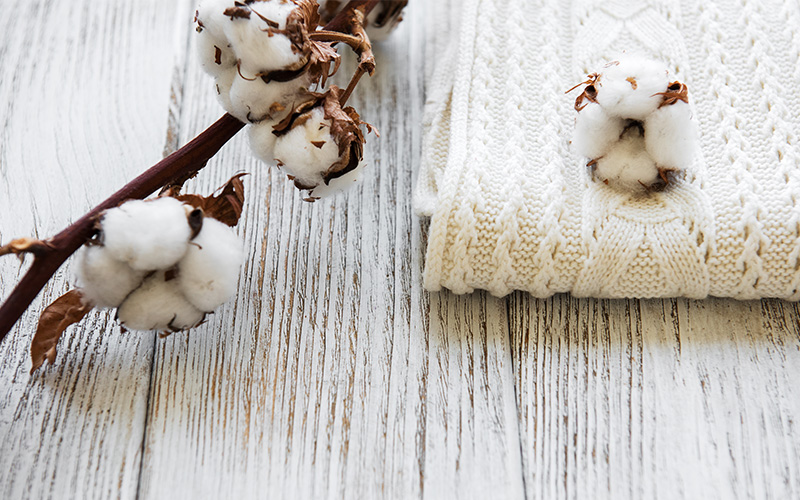
Cotton is a natural cellulose fiber with strong moisture-absorbing properties, giving it notable softness and comfort.
Valued for its breathability, comfort, and easy care, it remains one of the most widely used textiles for everyday clothing and home goods.
Definition and Origin
Cotton fabric is made from the soft, fluffy fibers that grow around the seeds of the Gossypium plant.
Cultivated for thousands of years in regions such as India, Egypt, and the Americas, cotton expanded rapidly during the Industrial Revolution as spinning and ginning technologies improved.
Today, varieties like Upland and Egyptian/Pima cotton offer different fiber lengths—longer staples provide smoother, stronger yarns, while shorter staples deliver affordable, practical fabrics.
Pros and Cons of Cotton
Advantages:
- Breathability: The fiber’s hollow structure allows air circulation, reducing heat buildup. This means greater comfort in hot conditions.
- Softness: Natural cellulose and fiber fineness create a smooth texture ideal for direct skin contact.
- Biodegradability: Being plant-based, it decomposes naturally without leaving microplastic waste.
Limitations:
- Wrinkling and Shrinkage: Cotton fibers lose shape under moisture and heat, often requiring ironing or pre-shrunk processing.
- Water and Chemical Needs: Conventional cotton cultivation uses significant irrigation and pesticides, although organic cotton lessens this impact.
- Durability: While fairly strong, repeated washing can weaken fibers, reducing garment lifespan compared to synthetics.
The Comparison between Ramie and Cotton Fiber
Comparing Breathability
Both ramie and cotton are natural fabrics known for allowing air to pass through the fiber structure, but they achieve breathability in different ways. Ramie fibers are long and have a crisp texture with a slightly silky surface, which creates small air gaps that let heat and moisture escape quickly.
Cotton fibers, by contrast, are soft and fluffy, forming a looser weave that improves airflow and enhances comfort in warm weather. Moisture absorption and moisture-wicking properties also distinguish these two fabrics.
Cotton can absorb about 25 times its weight in water because of its hollow core and high cellulose content. This means it holds sweat effectively but can take time to dry.
Ramie absorbs less moisture but releases it faster due to its smoother fiber walls, helping the skin stay drier. Because ramie dries fast and resists mildew, it suits summer clothing and shirts used in humid conditions.
Cotton remains preferred when consistent softness and breathability are most important, such as in everyday wear. Choosing between them depends on whether one values quick-drying freshness or all-day softness.
Comparing Durability
Ramie and cotton are both natural fabrics, but their fiber structures make them perform differently under wear and washing. Ramie fibers are long and crystalline, which gives them high tensile strength.
This structure means ramie resists stretching and tearing better than cotton. Ramie shirts or upholstery fabrics hold their shape longer, even after repeated use.
Cotton’s shorter fiber length makes it softer and more flexible. The same property that gives cotton its smooth, comfortable texture also makes it more prone to thinning or fraying over time.
Cotton tolerates machine washing and higher heat better than ramie, which can lose strength when overexposed to high temperatures or harsh agitation. For daily wear, this ease of care gives cotton practical durability despite its lower fiber stiffness.
Ramie’s firmness and crisp texture come from the strong cellulose bonds within each fiber. These same bonds make it less elastic, so ramie fabric can crease easily when bent.
Cotton, being more elastic and moisture-absorbent, regains its shape faster after compression. For the wearer, this translates to smoother drape and comfort in summer clothing like lightweight shirts that must handle sweat and movement.
Comparing Sustainability
Ramie and cotton are both natural fabrics, but their environmental impacts differ because of how people grow and process them. Ramie comes from the stalks of a nettle-related plant. Cotton comes from the seed fibers of the cotton plant.
Ramie plants can grow quickly with little irrigation. They usually need less water per harvest than cotton. This means ramie places less strain on water resources in dry climates.
Cotton farming often relies on pesticides and fertilizers to sustain large yields. These chemicals can harm soil and water quality if farmers use them carelessly.
Ramie has a natural resistance to pests, so growers often use fewer chemical treatments. This reduces chemical runoff and helps preserve local ecosystems.
Both fibers are biodegradable. Ramie’s long fiber length and strong cellulose structure make it more resistant to wear, so fabrics last longer before disposal.
For users, this means fewer replacements and reduced textile waste. Cotton, while softer and more flexible, may break down faster after repeated washing.
Ramie’s crisp texture and silky feel make it suitable for summer clothing and shirts that focus on breathability and moisture-wicking properties. Cotton, with its high moisture absorption, stays comfortable in heat but dries more slowly.
This often leads to more frequent washing and higher energy use.
When to choose Ramie Fiber
Ramie is often blended with cotton, linen, or polyester to soften its naturally crisp feel. It’s common in summer apparel, table linens, canvas, and upholstery thanks to its breathability, luster, and structural stability. The fiber also serves industrial needs—from filters to sewing threads—due to its mold resistance and quick-drying performance.
When to choose Cotton Fiber
Cotton is a staple for T-shirts, jeans, underwear, bedding, and towels. It can absorb up to 27% of its weight in moisture, helping wearers stay cool and dry.
Cotton is also used in upholstery, medical dressings, and countless household items. When blended with synthetics such as polyester, it gains wrinkle resistance and faster drying while retaining natural comfort. Its excellent dyeability and finish options make it suitable for both everyday textiles and specialized applications.
Frequently Asked Questions
Is ramie better than cotton in production?
Ramie production uses less water and fewer chemical inputs compared to cotton farming. The ramie plant, a member of the nettle family, can thrive in humid conditions with limited irrigation.
Cotton farming often depends on intensive watering and pesticides to protect the crop. This can contribute to soil depletion and higher chemical runoff.
Ramie’s lighter resource use makes it preferable where water conservation matters. However, its fiber extraction process involves more manual labor and cost.
Is ramie fabric good for summer?
Ramie’s natural fiber structure lets air move easily through the fabric, keeping the body cooler. It absorbs moderate moisture and releases it quickly, which helps reduce cling and discomfort in hot weather.
Cotton absorbs more water and feels softer against the skin. In humid climates, cotton may feel slightly heavier because it retains moisture longer.
Ramie’s quick-drying nature can make it more practical for dry heat or warm, breezy environments where fast evaporation increases comfort.
What are the key differences in the care and maintenance of ramie and cotton textiles?
Ramie fibers resist wear but wrinkle easily. The strands are long and rigid.
They hold strength even when wet. Frequent bending can create creases that are hard to remove.
Gentle washing in cool water and low agitation helps preserve fiber integrity. Ramie garments often need light ironing or steaming after washing.
Cotton fibers stretch more. They soften with repeated washing.
You can use standard detergents and moderate heat for easy machine care. Cotton clothes are simpler to maintain, while ramie requires more attention to keep a smooth, crisp look.

Chisato Ogino
Chisato Ogino, from Kaga City, Ishikawa Prefecture, is a graduate of Kanazawa Gakuin College and the College of Fashion Designers. With extensive experience in apparel design and premium textile development, she has served as Chief Designer at Sanyo Corporation (VINVERT) and collaborated with leading brands such as MUJI, World, and CHISATO PLANNING.
Chisato specializes in innovative material research and exhibition planning for major companies and has also worked as a consultant and lecturer for industry organizations.
Want to Know More About Our Products?
View All Products Now