Sustainable Natural Ramie Fiber Brands in Japan: A 2025 Guide

{acf_blog-txt}
Sustainable Natural Ramie Fiber Brands in Japan: A 2025 Guide
Ramie pops up everywhere in Japan—maybe because the country really values plant fibers that breathe, last, and don’t trash the land. This fiber comes from a nettle plant and offers serious strength, a natural shine, and great airflow.
In Japan, makers often tie ramie to deep-rooted textile skills and careful sourcing. Several Japanese brands now focus on local production, traceable sourcing, and low-impact processes that cut waste and support ethical farming.
These brands supply yarns and fabrics for fashion, home goods, and traditional textiles. Many blend old methods with modern tools to boost quality and consistency.
Understanding Ramie: Origins and Properties
Ramie’s a plant-based material with long roots in East Asia. It brings big benefits for modern textiles.
Its value shows up in how it grows, how it performs, and how it fits Japan’s tradition of natural fibers.
What Is Ramie Fiber
Ramie is a natural fiber made from the inner bark of the ramie plant, Boehmeria nivea. People sometimes call it china grass because of its long history in China and nearby regions.
Harvesters cut tall stalks, then extract fibers using mechanical and water-based steps. These fibers come out long, strong, and smooth. When woven, the fabric has a silky sheen and a crisp feel.
Unlike cotton, ramie comes from the stem, not the seed. That gives ramie its high strength and durability, even when wet. Blending it with other fibers improves softness but keeps that structure and shine.
History and Cultural Significance in Japan
Ramie’s been around in Japan for over a thousand years. Artisans used it for summer clothing because it stays cool and dries fast.
In rural areas, families grew and processed ramie by hand. Ramie fabrics showed up in traditional garments, especially in warm regions.
Think lightweight kimono and workwear made for daily use—always about function over decoration. The fiber also carried cultural meaning, with careful preparation showing skill and patience.
Today, Japanese brands revisit ramie to connect modern design with heritage and local craft knowledge.
Key Physical and Environmental Qualities
Ramie brings a mix of performance and environmental value that matters to buyers.
Key qualities include:
- High strength and durability, stronger than many plant fibers
- Natural luster with a clean, luxurious sheen
- Moisture absorption that supports breathability in warm weather
- Resistance to mold and bacteria in humid conditions
On the environmental side, ramie supports biodegradable materials and low-input farming. The plant regrows several times a year and uses less water than cotton.
When tossed out, ramie breaks down naturally, cutting long-term waste.
Ramie Fiber Production and Sourcing in Japan
In Japan, small farms, artisan groups, and specialized mills drive ramie sourcing. Producers balance local tradition with modern processing to meet quality, safety, and traceability needs.
Major Regions and Artisanal Producers
Japan’s ramie roots run deep in Niigata, Shiga, and Yamagata. These regions support small farms and family workshops still growing choma ramie for textiles.
| Region | Known For | Use |
| Niigata | Echigo-style ramie | Summer kimono, fine cloth |
| Shiga | Omi ramie | Lightweight apparel |
| Yamagata | Handcrafted yarns | Niche fashion |
Cooperatives often link farmers to textile manufacturers. Volumes stay modest, but quality remains high. Artisans focus on long fibers, even thickness, and low breakage.
The price is higher, but you get a stable supply and clear origin.
Traditional and Modern Processing Methods
There are two main paths from stalk to yarn. Traditional workshops harvest by hand, then ret and scrape stalks to release fibers.
Craftspeople wash and sun-dry fibers before spinning. This old-school method preserves strength and sheen.
Modern mills use mechanical decortication to speed up extraction. Controlled enzymes replace harsh chemicals. Machines improve yield and cut waste.
Careful combing and wet spinning keep fibers smooth. Most producers blend both methods—hand steps for premium lines, machines for base cloth.
This mix helps manage cost while meeting performance needs.
Traceability and Certifications
Short supply chains make it easier to track ramie. Many suppliers document farm location, harvest date, and processing steps.
Batch records follow fibers into yarn and fabric. Third-party checks often happen at the mill. OEKO-TEX® Standard 100 confirms low chemical residue.
GOTS applies when ramie blends include certified organic fibers and approved dyes. GRS shows up in recycled blends, not pure ramie.
Clear labeling matters. Fiber origin, processing tech, and test reports—these details protect claims and support responsible sourcing.
Top Sustainable Natural Ramie Fiber Brands in Japan
Japan’s ramie textile traditions support low-impact farming, long use, and careful making. Brands work across fashion, home furnishings, and luxury textiles, with more links to fair trade and local craft popping up.
Leading Japanese Ramie Brands
Some established Japanese brands use ramie fabric for its strength, breathability, and long life. Many focus on blends with cotton or linen to bump up comfort and fit.
Notable examples
| Brand | Primary Use | Sustainability Focus |
| MUJI | Apparel, home goods | Simple design, long wear, reduced waste |
| Snow Peak | Outdoor apparel | Durable fibers, repair culture |
| Local jofu producers (Niigata) | Luxury textiles | Hand processes, regional supply |
These brands offer fabrics that handle heat and dry quickly. They stick with stable suppliers and steer clear of fast trend cycles.
That supports sustainable fashion through fewer replacements and better care.
Emerging Brands and Independent Designers
Smaller labels and designers are also exploring ramie in modern ways. Limited runs and clear sourcing make it easier to trace materials and understand impact.
Many focus on seasonless clothing, light jackets, shirts, and dresses. Ramie excels in summer wear and indoor comfort.
Some work with fair trade workshops in Asia, then finish garments in Japan.
Common traits:
- Small batch production
- Natural dyes or low-impact finishes
- Clear care guidance to extend use
These choices keep waste low and quality high—without making things more complicated than they need to be.
Collaboration with Local Artisans
There’s real value when brands partner with local artisans who keep ramie traditions alive. Areas like Ojiya and Echigo are still known for ramie-based weaving in luxury textiles and home goods.
Brands support artisans by paying stable prices, sharing credit, and investing in tools and training.
- Paying stable prices for skilled work
- Sharing credit for design and process
- Investing in tools and training
Products come with clear origin and tested quality. These partnerships protect skills machines just can’t replace.
They also keep sustainable fashion grounded in real communities.
Applications of Ramie in Sustainable Industries
Ramie supports low-impact production across many sectors. Its high strength, long life, and plant-based sourcing really stand out.
Clothing, home goods, and even industrial uses benefit from its durability and ability to cut waste.
Apparel and Fashion
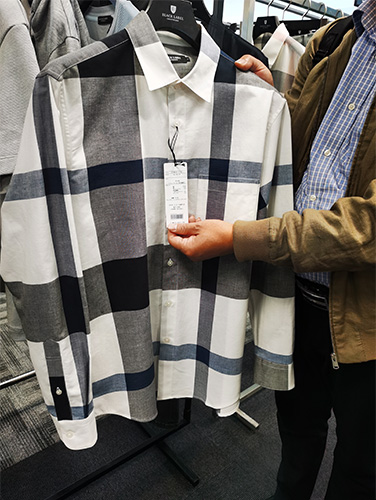
Ramie shows up most in apparel that needs strength and breathability. Brands spin ramie yarn into shirts, jackets, and summer wear because it holds shape and resists wear better than most plant fibers.
Ramie works solo or blended with cotton or wool. These blends bring more softness while keeping durability.
In Japan, designers pick ramie for garments that need a clean look and long service life.
- High tensile strength for daily wear
- Natural resistance to mold and bacteria
- Good moisture release in warm weather
Home Textiles and Furnishings
Ramie also gets used in home textiles where strength and texture matter. Makers use it for curtains, tablecloths, and light upholstery because it keeps its structure after repeated use.
Ramie fabrics fight stretching and tearing, helping household items last longer. The fiber takes dye well, so home goods keep their color.
- Woven curtains with crisp drape
- Tablecloths that resist fraying
- Upholstery blends for chairs and cushions
Industrial and Technical Textiles
Ramie finds a place in technical textiles and industrial applications that need strength and reliability. Manufacturers use ramie in ropes, mats, and reinforcement fabrics for their performance under tension.
In Japan, engineers also test ramie in automotive interiors and composite materials. The fiber adds structure while lowering reliance on synthetics.
- Braided ropes and cords
- Floor and insulation mats
- Natural-fiber composites for panels
Innovations and Blending Techniques
Japanese ramie brands now focus on smart blending and cleaner processing. Producers are steadily improving how they combine natural fibers and cut water, energy, and chemical use during fabric making.
Ramie Blends with Organic Cotton and Other Fibers
Ramie blends with organic cotton to improve comfort and wear. Ramie adds strength and shape control, while organic cotton softens the feel and reduces skin irritation.
Brands also blend ramie with hemp, linen, and recycled cotton. These blended fabrics balance durability, airflow, and moisture control. They’re great for shirts, summer jackets, and home textiles.
- Better softness without losing structure
- Lower wrinkling than pure ramie
- Longer fabric life through fiber balance
That means sustainable fabric lasts longer and needs fewer washes. Over time, this lowers water and energy use—always a plus for the environment.
Advancements in Eco-Friendly Fabric Technologies
Japanese producers keep investing in cleaner ways to make eco-friendly fabric from ramie. Many mills now use low-impact dyes, which limit water pollution and cut down on toxic waste.
Water-saving systems recycle rinse water during fiber processing. Some facilities tap into renewable energy for spinning and weaving lines.
These steps help cut emissions and still deliver quality fabric. Key technology shifts include:
- Enzyme-based fiber softening instead of harsh chemicals
- Precision blending to reduce fiber waste
- Digital quality control to limit rejected fabric
These advances support eco-friendly textiles made from natural fibers. Brands can meet tough sustainability standards in Japan, and the fabric quality stays consistent.
Market Trends, Pricing, and Sustainability Outlook
Japanese ramie brands operate in a small but growing global market. Demand stays steady, prices remain stable, and sustainability standards keep rising.
Asian supply chains, export quality, and long-term environmental goals all play a big role.
Market Growth and Export Insights
The global ramie fiber market sits at about USD 420–430 million in 2025. Growth runs at a cagr of roughly 4.5–5% through 2030.
Apparel, home textiles, and technical fabrics drive the fastest demand. China supplies over 80–90% of global output, making it the main export source for Japanese brands.
India follows as a smaller but still important producer, often serving niche and artisan-focused lines. Thailand and nearby countries supply limited volumes for specialty uses.
Japan imports most ramie fiber and fabric, then adds value through weaving, finishing, and brand storytelling. Finished textiles often head to Europe and North America, where buyers pay extra for quality and traceability.
Pricing and Value Proposition
Raw or semi-processed ramie comes in a clear price range based on grade and processing level. Apparel-grade ramie usually sells at USD 6–8 per kilogram, while technical or highly processed fiber can reach USD 12–15 per kilogram.
The table shows typical pricing:
| Grade | Common Use | Price Range (USD/kg) |
| Standard apparel | Shirts, summer wear | 6–8 |
| Premium processed | Blends, soft finishes | 8–11 |
| Technical grade | Industrial textiles | 12–15 |
Japanese brands justify higher retail prices with durability, breathability, and low-input farming. Small batch control and long product life help reduce replacement cycles and keep quality consistent.
Future Sustainability Challenges and Opportunities
Ramie grows with low pesticide use and is biodegradable, which fits strict Japanese and EU standards. Processing is still the big challenge because degumming uses a lot of energy.
Supply risk is real. Heavy reliance on China means weather and policy shifts can disrupt things, while India’s smaller scale limits volume consistency.
Blending fibers and diversifying suppliers can help reduce these risks. There’s real opportunity in better enzyme processing, certified supply chains, and transparent sourcing.
These steps build long-term trust and help brands meet rising environmental and social compliance rules, all without losing performance or quality.
Frequently Asked Questions
What are the leading sustainable ramie fabric brands in Japan?
Ramie mostly comes from textile makers, not big fashion labels. Many producers specialize in asa orimono, which covers ramie and hemp fabrics known for breathability and strength.
High-quality ramie pops up at small mills supplying traditional clothing, summer wear, and interior textiles. These producers focus on long fiber life, natural finishes, and local processing.
What advancements have been made by Japanese ramie fiber brands regarding sustainability since 2021?
Since 2021, producers have cut water and energy use during fiber extraction. Ramie already needs less water and fewer pesticides than cotton, and new methods keep improving efficiency.
Manual harvesting and better pest control get more common, too. These steps lower chemical use and protect soil health while keeping fiber quality high.
Which Japanese fashion brands have been notable for incorporating sustainable practices?
Brands like Takes, Ashuhari, and Tennen are leaning into natural fibers and biodegradable designs. They’re also pushing for more transparent supply chains.
Some labels focus on organic cotton, hemp blends, or even recycled materials. It’s not just about the fabric—there’s more going on behind the scenes.
Kapok Knot, Lovst Tokyo, and Underson Underson have taken steps to reduce animal harm and cut waste. A few of them offer repair or reuse options, which honestly feels pretty refreshing in today’s world.

Chisato Ogino
Chisato Ogino, from Kaga City, Ishikawa Prefecture, is a graduate of Kanazawa Gakuin College and the College of Fashion Designers. With extensive experience in apparel design and premium textile development, she has served as Chief Designer at Sanyo Corporation (VINVERT) and collaborated with leading brands such as MUJI, World, and CHISATO PLANNING.
Chisato specializes in innovative material research and exhibition planning for major companies and has also worked as a consultant and lecturer for industry organizations.
Want to Know More About Our Products?
View All Products Now