Ramie's Cultural Journey: From Ancient Tradition to Sustainable Innovation

Ramie is an ancient fiber crop with a history dating back over 6,000 years. Its fiber strength is extremely high and its application scenarios are very extensive. For this reason, it plays an important role in both the global textile industry and traditional culture.
Heritage

The Global Traditions of Ramie

Ramie is far more than just a fiber; it is a cultural vein that connects the traditions of the world. It was not only used to make ancient textiles but also served as food, exerting a consequential influence in all societies. To this day, this plant continues to inspire the creative field and influence the inheritance of customs.

Ramie in Asian Cultural Heritage

In Asian culture, ramie is an important component of traditional clothing and handicrafts. People love its fibers because they are both tough and wear-resistant, along with breathable and comfortable. This tradition has a long history. As early as the Neolithic Age in China, people had already used ramie to make lightweight fabrics.

Ramie's Role
in Military Tools

Ramie is of high strength and can be used to make ropes, nets and bowstrings. At the same time, it was also a key material for making armor and for wartime engineering construction.

Ramie's Historical Significance in Trade Economy
What is the value of high-end ramie fabric? During the Tang and Song dynasties, fine items like "Yue Bu" could even be used as hard currency to pay taxes. Before this, it had long been a sought-after commodity on the Silk Road and was sold far to overseas markets by merchants.
Learn More

The Elegance of Ramie in Traditional Japanese Summer Kimonos

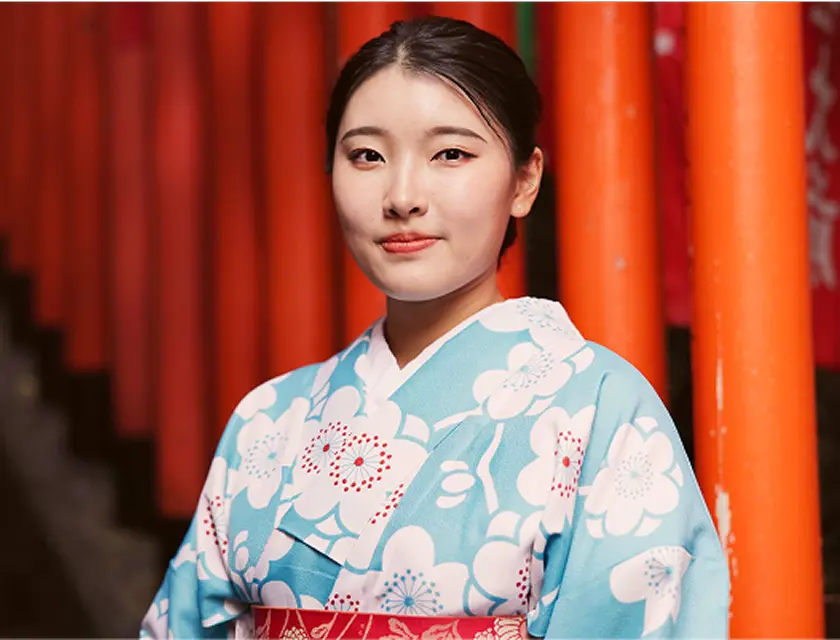
In Japan, ramie is called "bu". It is light, breathable and very popular, making it an ideal material for summer kimonos. Yaeyama banana cloth and Miyako banana cloth are among the best. Their weaving techniques are complex and exquisite, and they are quintessential of the combination of tradition and craftsmanship.
Learn More

The Rich Legacy of Ramie in Traditional Chinese Culture
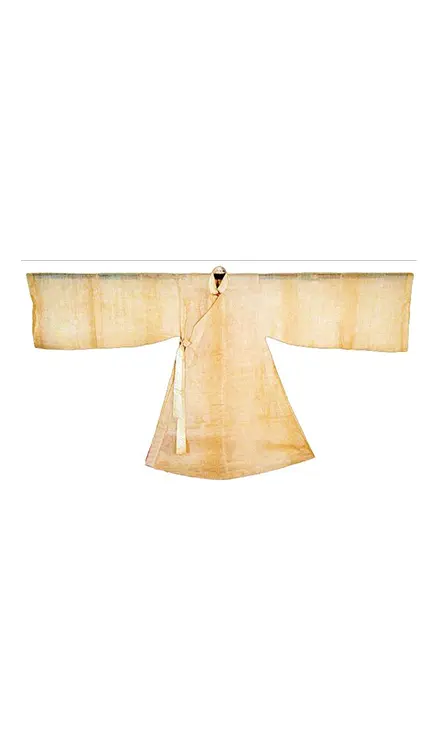
What best represents China's cultural pride and the spirit of craftsmanship? One of them is the fiber crop known as "ramie". It has a precious history of over 6,000 years. Its tough characteristics and unique luster make it worthy of this honor.
A linchpin of Chinese textile tradition.
Celebrated for its durability and beauty.
Crafted into garments for centuries.
Learn More

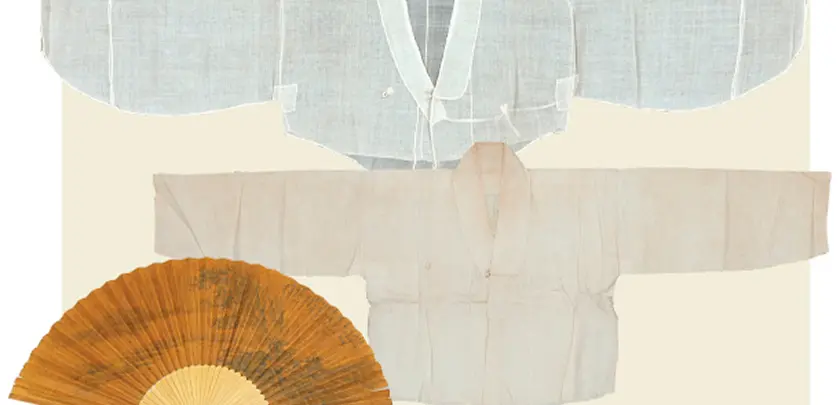
The Timeless Benefits of Ramie in Hanbok

People's love for ramie is reflected in the production of traditional Korean clothing. This affection stems from its sturdy and durable quality as well as its naturally beautiful luster. More importantly, its breathability ensures the comfort of wearing in warm seasons, making every wear a pleasure.

Durability

Time is a friend of ramie clothes, not an enemy. It is not afraid of the wear and tear of daily life and can always maintain its unique beauty through the test of time.

Natural Sheen

Ramie seems to have a soft glow of its own. This natural luster endows traditional clothing with an elegant coat, making it extraordinary in charm.
Learn More
Flavor

Discover Ramie’s Culinary Heritage in Asia

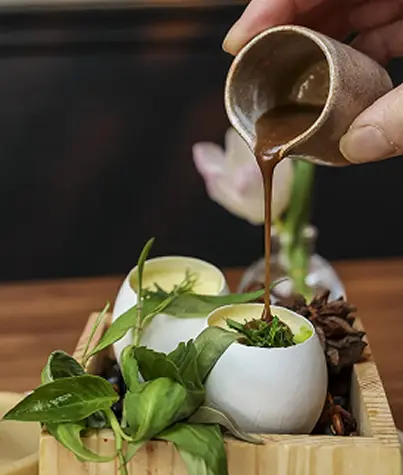
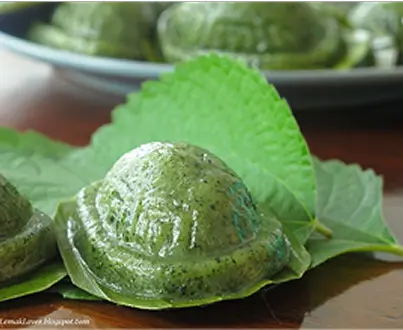
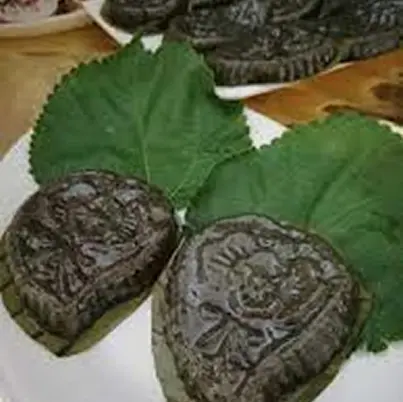
Many people think that ramie can only be used to make textiles, but in fact, it can also be eaten. In Southeast Asia, it is an important ingredient for cuisine. Groups such as the Vietnamese and Hakka people use ramie leaves to season traditional dishes, giving them a unique flavor.

Vietnamese Delights

If you want to understand the special status of ramie in Vietnamese food culture, you might as well try Banh gai. This highly representative delicacy will tell you the answer with its unique taste.

Hakka Specialties

How flexible is ramie in cooking? A good example is to use its leaves to make the wrappers for steamed dumplings. This dish is not only an innovation in cooking, but also firmly rooted in its long-standing culinary tradition.
Learn More

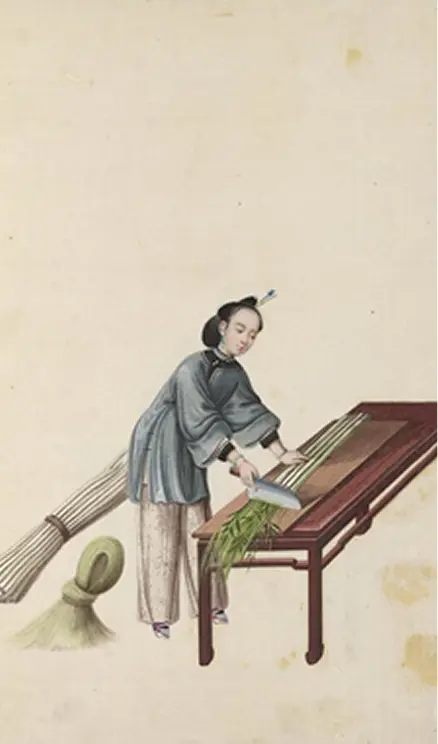
From Plant to Fabric

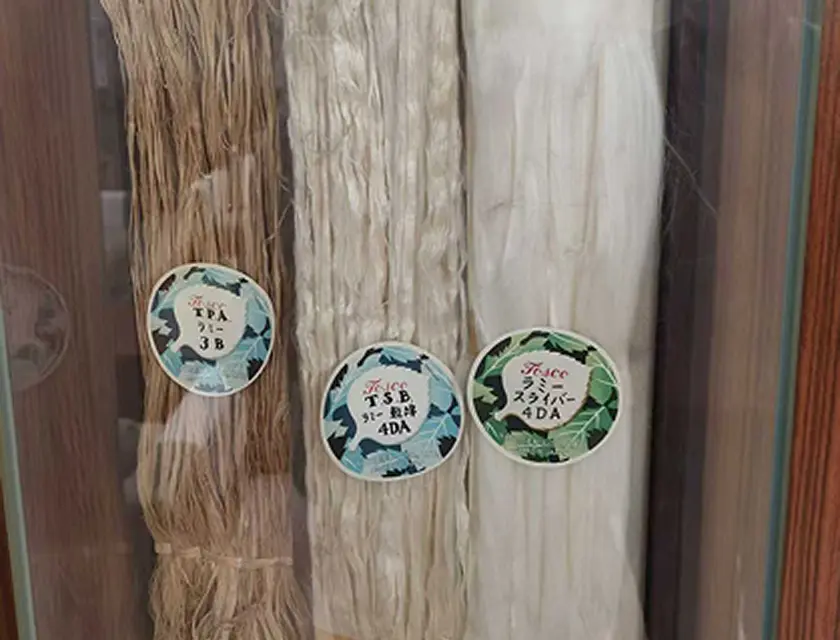
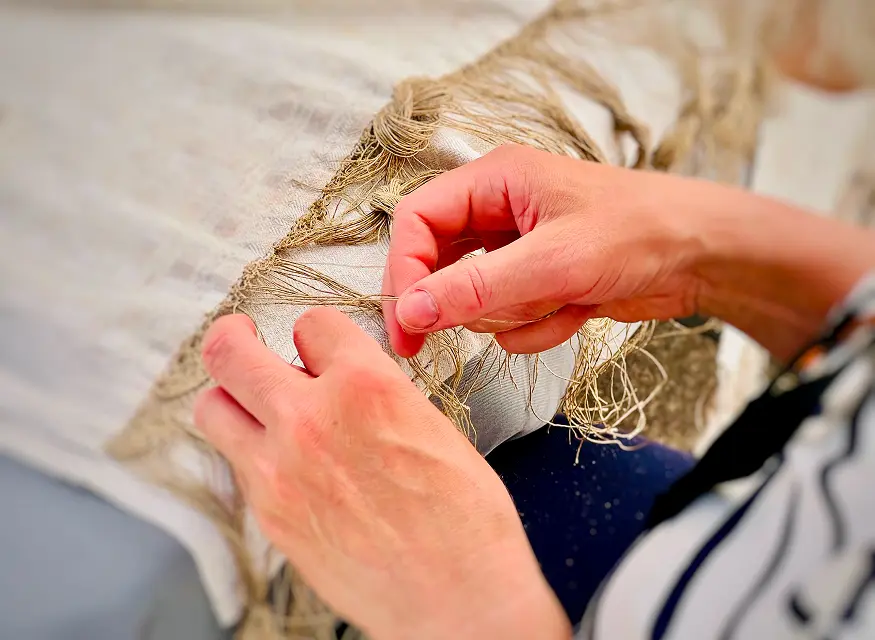
The production process of ramie is very fastidious, with each step closely linked. The initial stage is to extract the fibers from the plant. Next comes twisting the thread and weaving the fabric, and as a concluding measure. The purpose of this entire process is to produce textile fabrics that are both tough and aesthetically pleasing.

Extraction

The ramie plants in the fields are harvested, with only one goal: to obtain their strong and tough fibers.

Weaving

This is a process that tests one's craftsmanship. The artisans devoted their efforts to recasting ramie fibers into exquisite fabrics.
Learn More
Elegance

The Innovation of Ramie Weaving in Japan
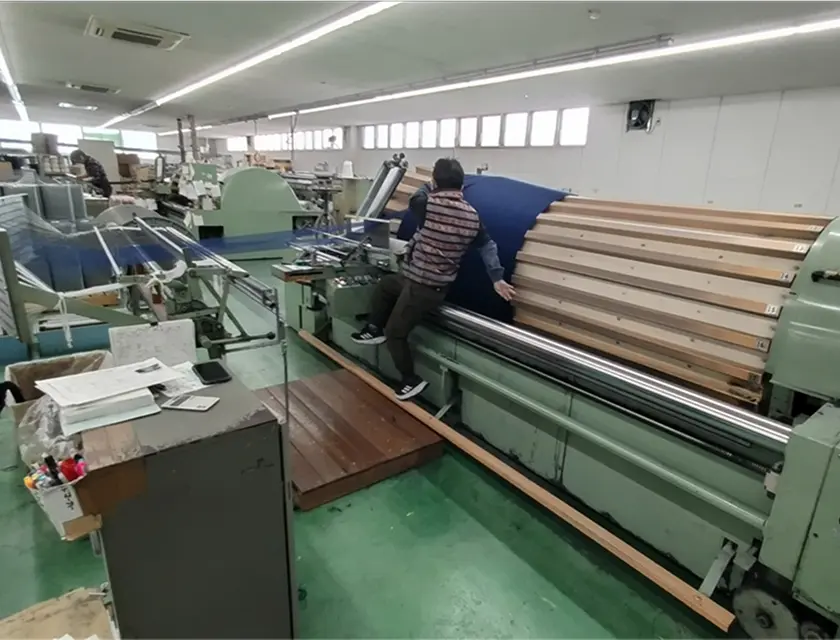
Ramie fabric produced in Japan is very famous. Its main features are exquisite weaving techniques and particularly good texture. These fabrics not only demonstrate superb artistic craftsmanship, but also reflect the local cultural pride and traditional inheritance.
Experience the beauty of traditional Japanese craftsmanship.
Discover the unique texture of ramie fabrics.
Embrace the elegance of summer kimonos.
Learn More

Ramie Gallery

Behind every ramie product lies a story about craftsmanship and beauty. Behold appreciate its elegance and extraordinariness together.
"Ramie is not just a fabric; it embodies the spirit of Japanese craftsmanship and tradition, weaving stories of our ancestors into every thread."

Hiroshi Tanaka

Cultural Historian, Japan

FAQs

We have discovered some popular questions about ramie. If you scrutinize these issues, you will understand how magical this plant is and where it can be used.
Learn More

Ramie is a natural fiber derived from ramie plants. Its most famous feature is its high strength and exceptional durability. For thousands of years, different cultures have used it to make things. Now, these advantages make it an excellent material for making clothing and household items.

Step 1: Washing. Pour a small amount of mild detergent into cold water, and then hand wash the ramie fabric gently.

Step 2: Rinsing. Rinse thoroughly with clean cold water.

Step 3: Dry. Find a place away from direct sunlight to dry it to protect its fibers and texture.

(Note: Avoid using strong chemicals such as bleach throughout the process.)

You’re right. Ramie is indeed an environmentally friendly fiber. From the perspective of the planting process, it uses less water and less pesticides than cotton, meeting the requirements of sustainable development. Further, since ramie is highly wear-resistant, things made from it are also more durable, which can help us reduce waste.

Yes, ramie has a wide range of uses and is very protean. It can be used to make clothing, household fabrics and furniture finishes. Because it is strong and durable and has anti-mold properties, it is also often used in industry. You may not know that in some cultures, its leaves can also be eaten as vegetables.

Yes, ramie is mainly produced in East Asia. As a country with a long history of cultivation, China is an important production area for it. Further, some areas in Southeast Asia and South America also grow ramie. This is because the warm and humid climate is very conducive to the growth of ramie.

Discover the Beauty of Ramie

Traditional Japanese ramie products are waiting for you to uncover. Hurry up and start this cultural odyssey!
Request Bulk Ramie SamplesCustomize Your Fabrics

Talk To Our Expert